Charter a Challenger 3500: Miami to New York
Published · Updated
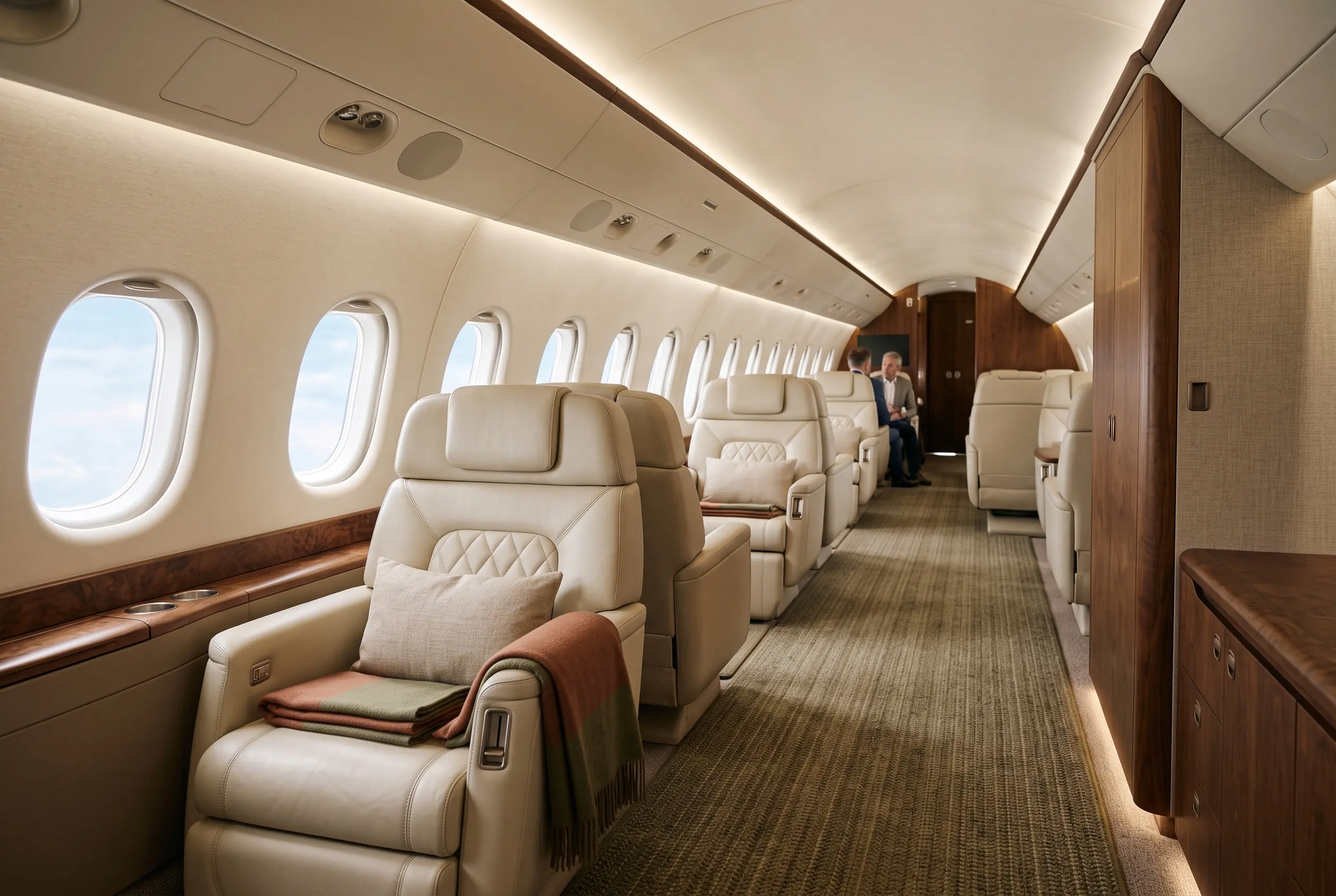
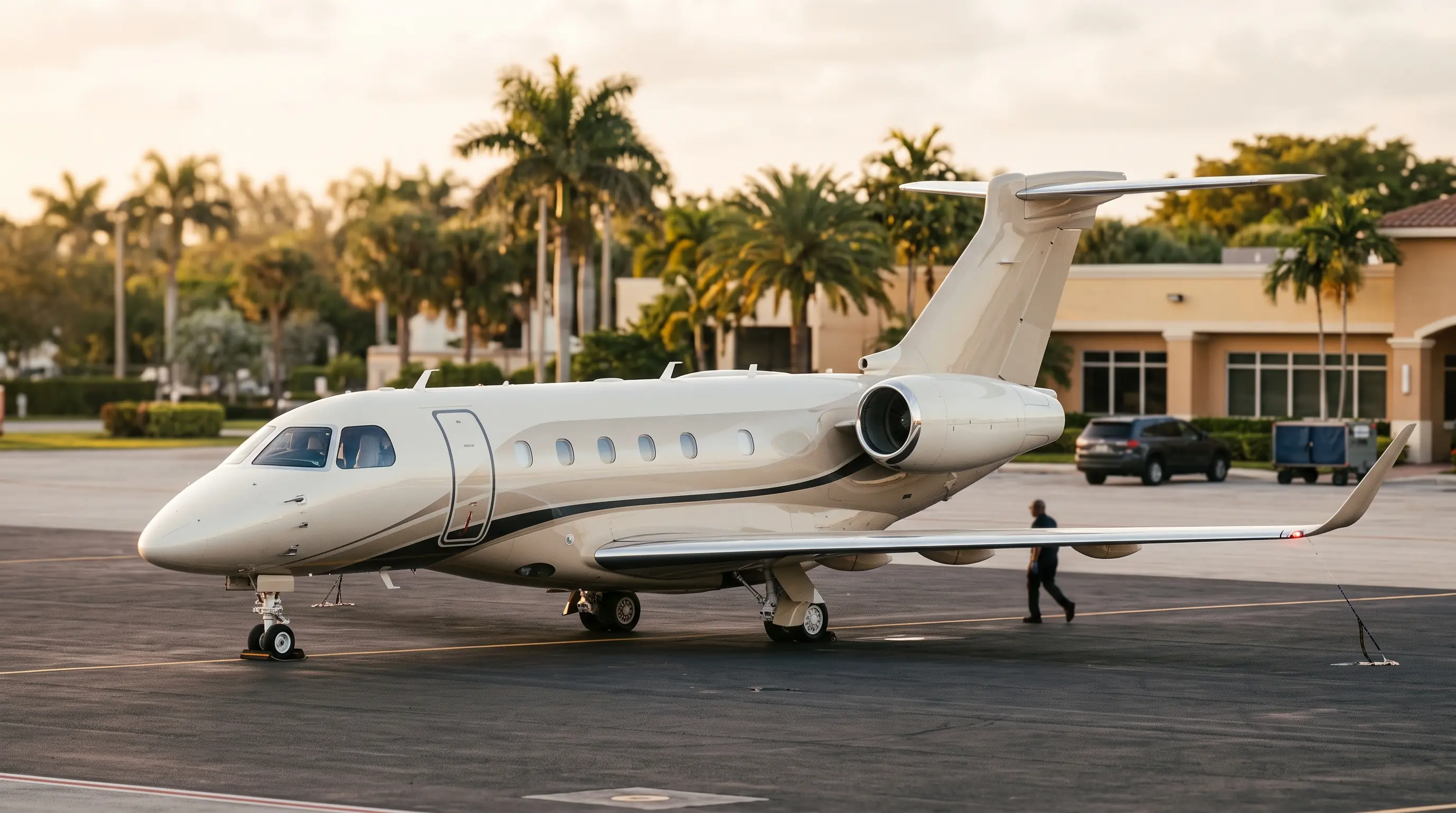
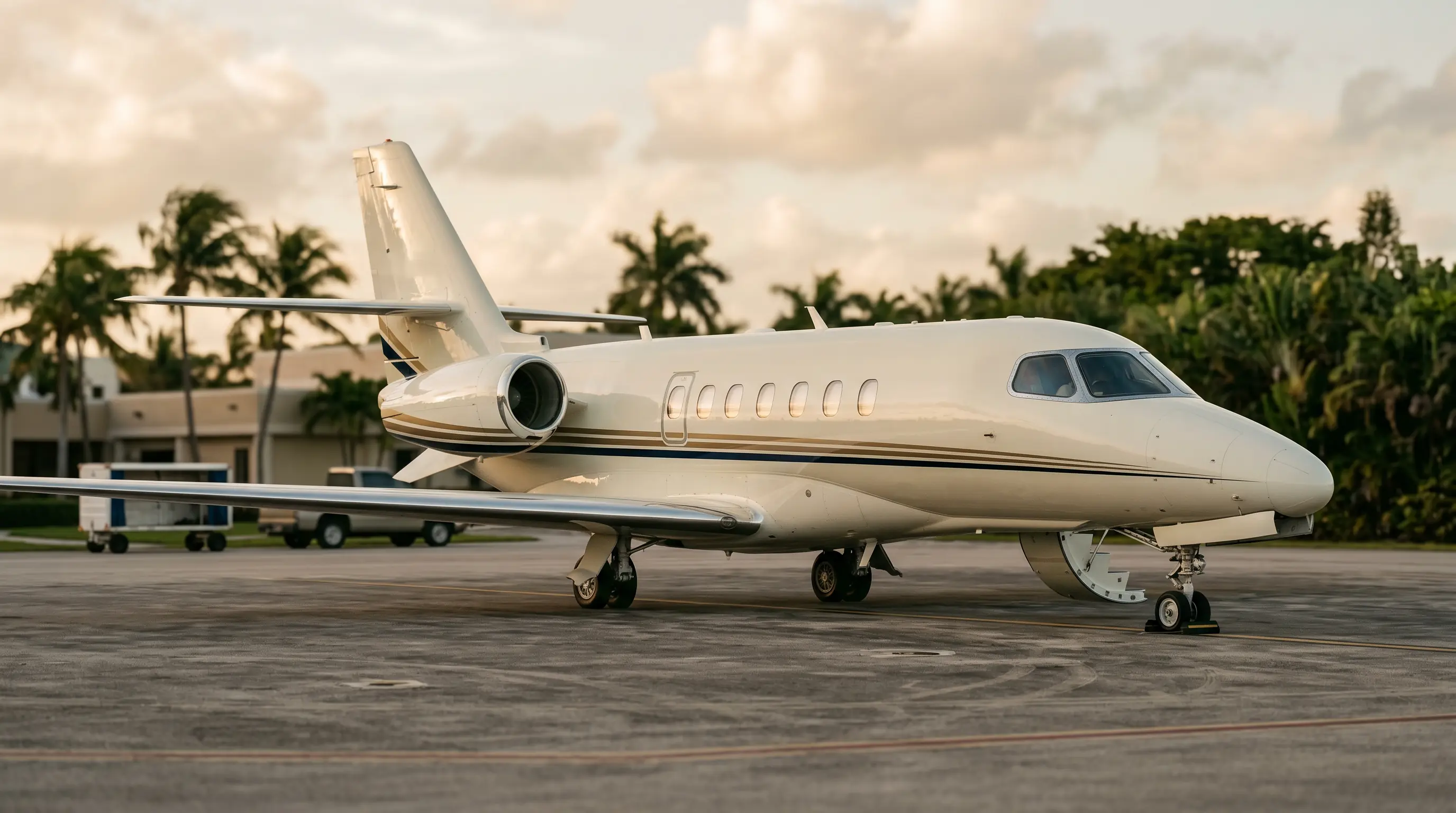
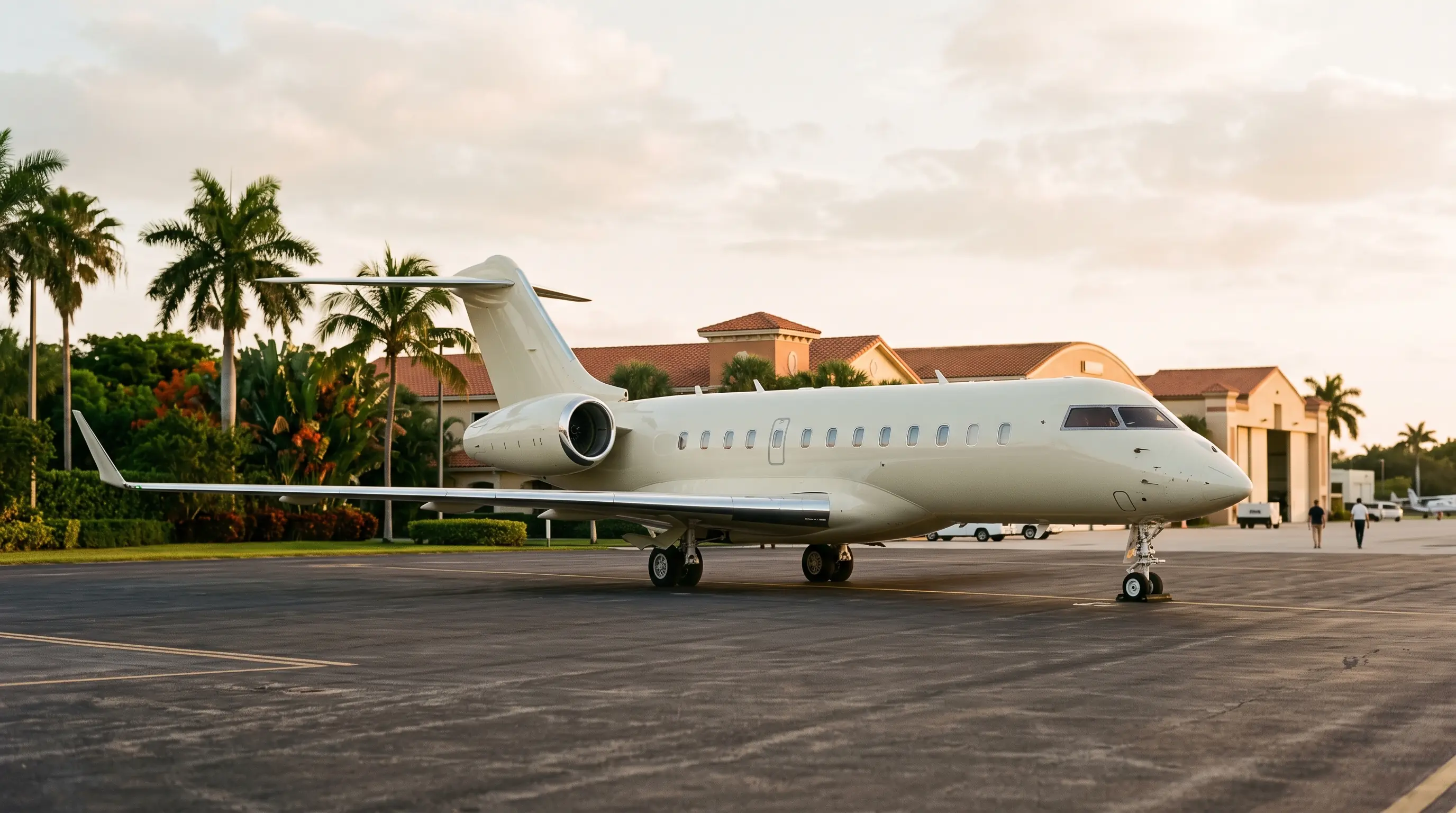
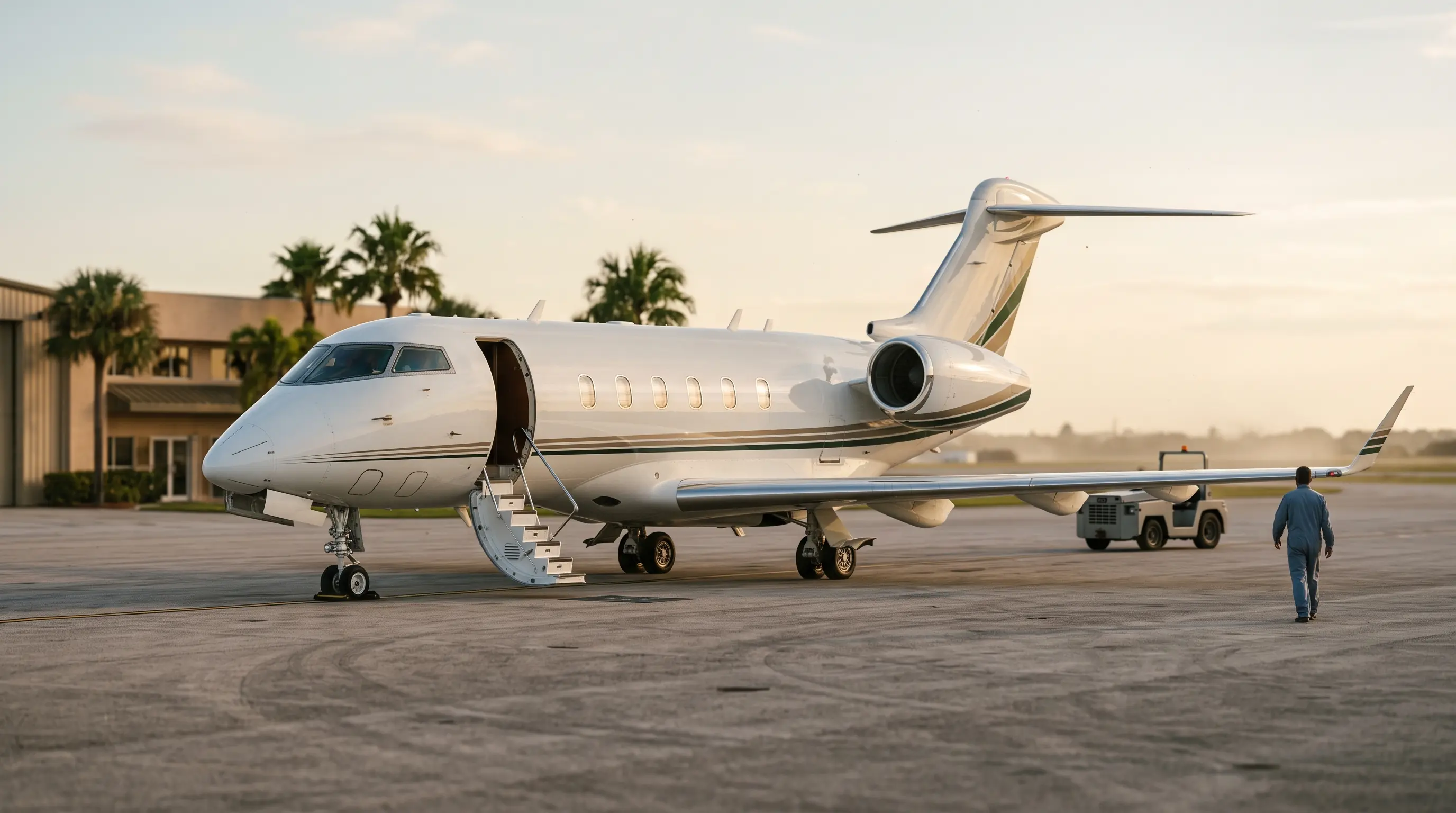
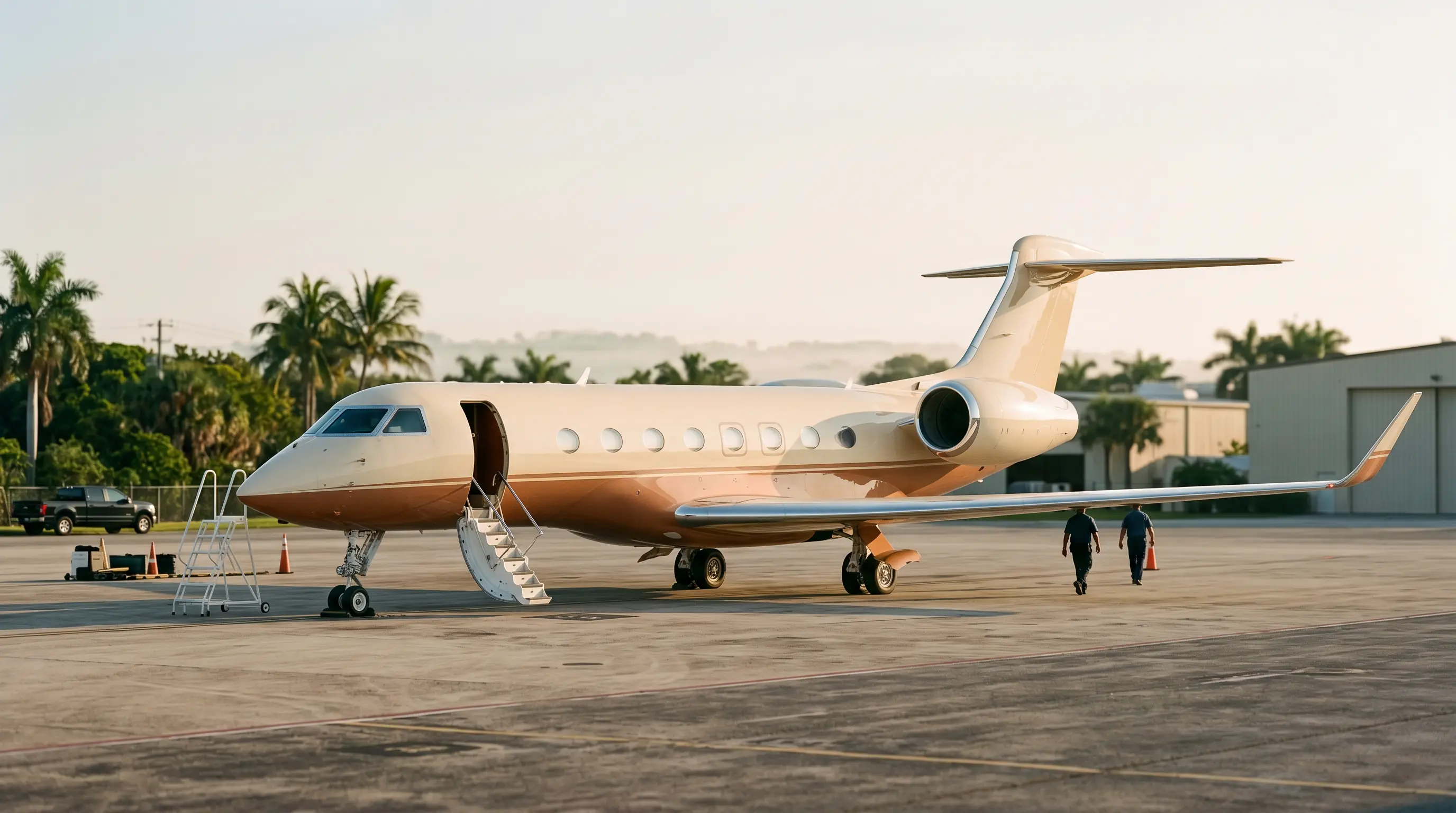
Step through the door of a Challenger 3500 and the familiar wide Challenger shell has become somewhere new: sculpted seats that recline deeper than most in the class, soft indirect light, cabin functions on voice command. This is Bombardier's current-production super-midsize — the third act of the airframe that has owned Miami–New York for two decades — and it brings one of the freshest interiors you can charter at this size.
For the 2 h 30 m run from Miami-Opa Locka Executive Airport (OPF) to Teterboro Airport (TEB), expect $30,000 to $44,000 one-way (estimated). You get the trademark 7 ft 2 in flat-floor cabin for 8–9 passengers, 106 cu ft of luggage, and the noticeably gentler cabin environment the redesign is built around — the practical difference is arriving in Manhattan without the flight in your shoulders.
- 3,400 nm range
- 470 ktas cruise
- 8–9 passengers
Estimated pricing for planning — your account manager confirms the final quote.
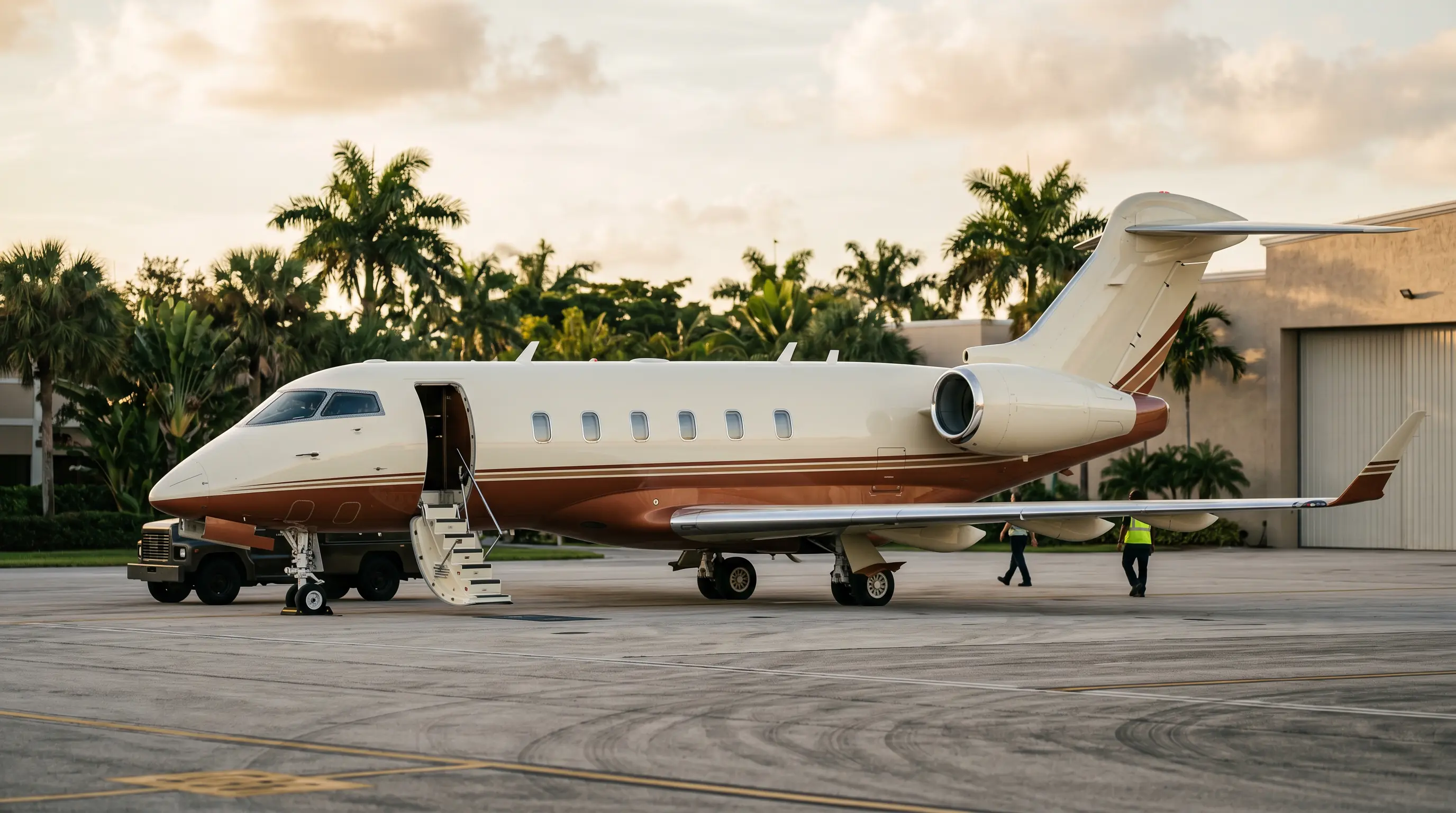
Private charters between Miami and New York typically depart from Miami-Opa Locka Executive Airport (OPF), Fort Lauderdale Executive Airport (FXE), Fort Lauderdale-Hollywood International Airport (FLL), or Miami International Airport (MIA) and arrive at Teterboro Airport (TEB), Westchester County Airport (HPN), Republic Airport (FRG), or Long Island MacArthur Airport (ISP).
Challenger 3500 specifications
Manufacturer performance figures — Bombardier.
- 3,400 nm
- Max range
- 470 ktas
- Cruise speed
- 8–9
- Passengers
- 6 ft 0 in
- Cabin height
- 106 cu ft
- Luggage
- 45,000 ft
- Service ceiling
What the newest Challenger adds
The 3500 keeps what worked — the 350's wing, engines, and honest 3,400 nm legs — and spends its budget where charter passengers live: the cabin. Seats were re-sculpted from the frame out, the ceiling and lighting redrawn, and the whole interior detailed to feel closer to a large-cabin jet than to its own class. On a route where you are aboard for two and a half hours, most of the premium over older super-mids is paid back in comfort per minute.
The flight deck moved forward a generation too, adding an autothrottle — a first for the class — which trims crew workload in exactly the dense airspace along the way: Miami departures, the Washington sector, the New York arrival stack. Cruise is Mach 0.83 at up to 45,000 ft, so block times match the rest of the family at about two and a half hours, with the same ability to cruise above much of the summer weather.
Scarcity cuts both ways. As current production, 3500s on charter certificates are newer, uniformly equipped — fast Wi-Fi, fresh interiors, current avionics — and there is no aging-fleet lottery. But there are fewer of them than 300s and 350s, so on peak dates the calendar matters. Book early for holidays; on ordinary weeks South Florida usually has a tail positioned within easy reach.
- Current-production Challenger: among the newest cabins in the class
- Deep-recline sculpted seating for 8–9 across a true flat floor
- Autothrottle-equipped flight deck eases the busy Northeast arrival flow
- Lands close-in at Teterboro, Westchester County Airport (HPN), or Morristown Municipal Airport (MMU) for New Jersey

When the 3500 is worth the premium
Against a well-kept Challenger 350 the 3500 typically costs $4,000–$8,000 more on this leg. That premium makes sense when the flight itself is the point: impressing a counterparty on the way to a closing, flying a principal who notices interiors, or simply wanting the newest available metal with connectivity that streams without sulking. For a casual family hop, the 350 delivers most of the experience for less.
It also earns its keep on itineraries that continue past New York. With 3,400 nm of range, the jet that brings you up the coast has plenty left beyond this leg — one crew, one cabin, no aircraft change. If your Miami–New York leg is the first line of a longer week, ask us to price the whole routing; the 3500 and the Praetor 600 are usually the two candidates we tender first.
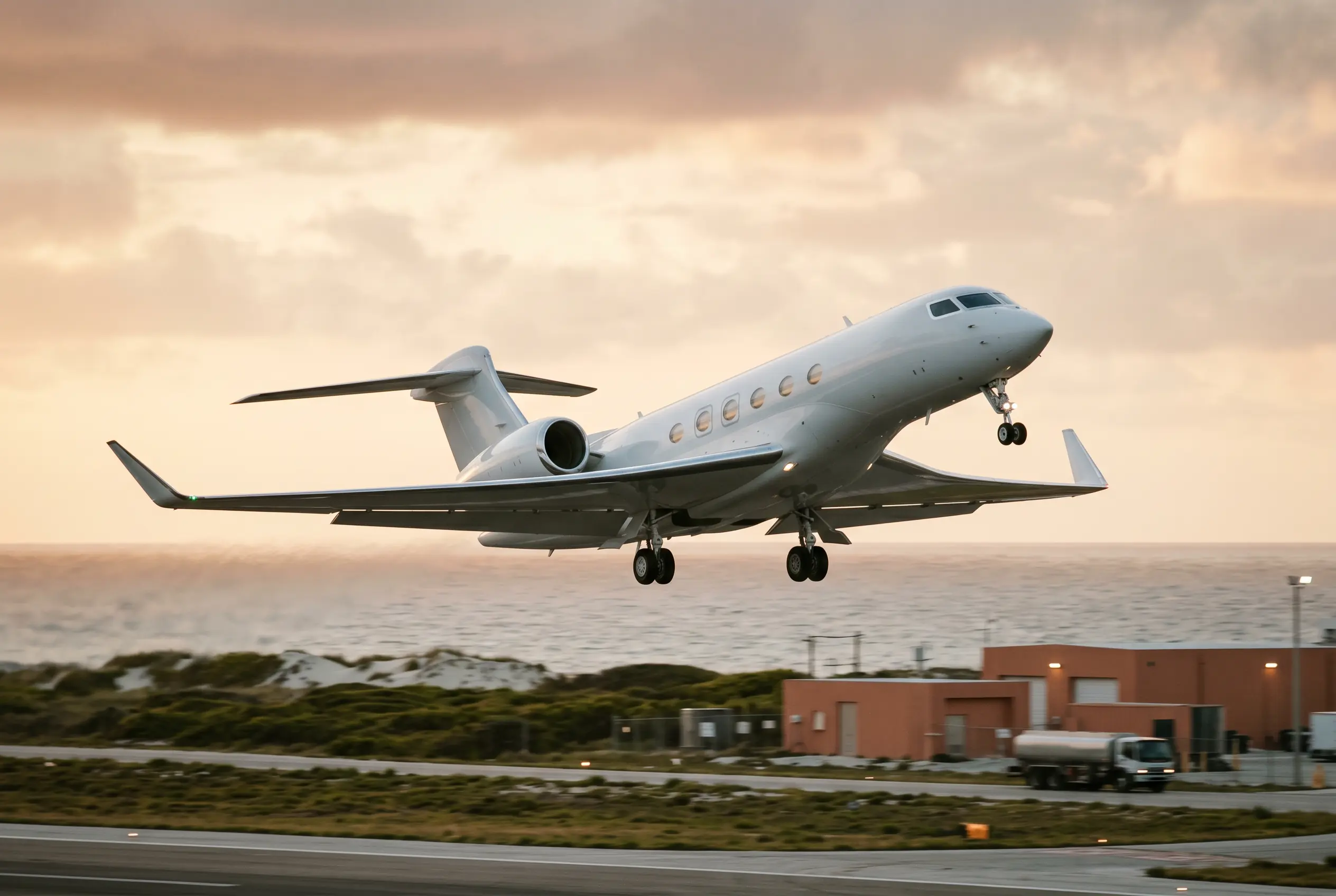
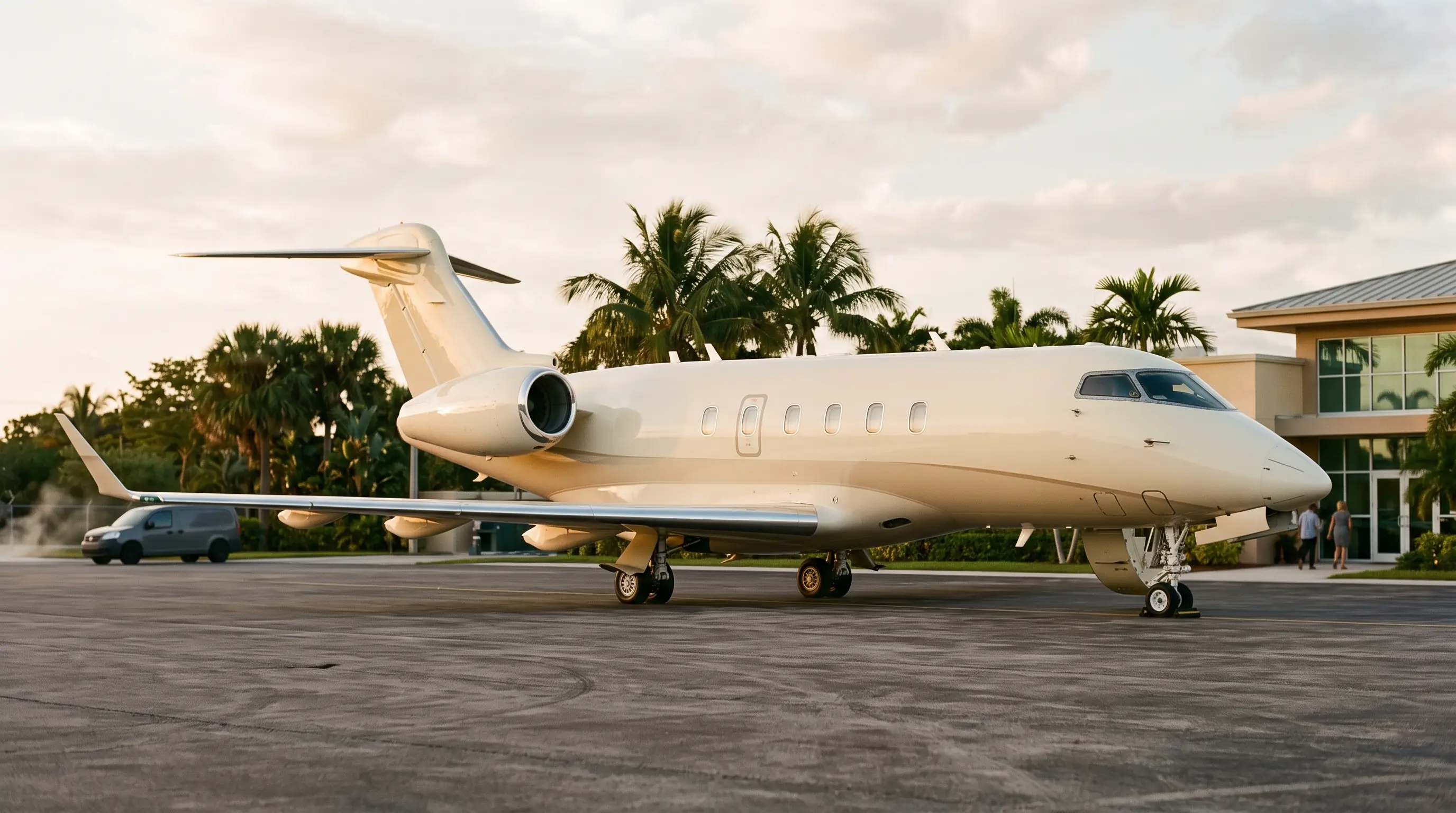
The Challenger 3500, inside and out
Charter services for the Miami–New York route
Frequently asked questions
How much is a Challenger 3500 charter from Miami to New York?
Between $30,000 and $44,000 one-way (estimated) — fuel, crew, catering, and fees included. That is a $4,000–$8,000 step over an older Challenger 350, buying the latest Challenger interior, deep-recline seats, and current-generation connectivity. Soft mid-week dates settle toward the bottom of the range.
Is the 3500 faster than the other Challengers?
No — it cruises the same Mach 0.83, so plan the usual 2 hours 30 minutes from Opa Locka to Teterboro. The gains are in the cabin and cockpit: quieter interior, deeper seats, and an autothrottle that smooths the busy New York arrival.
How new are the Challenger 3500s available for charter?
The type entered service in late 2022 and remains in production, so charter examples are typically only a few years old. Interiors, Wi-Fi, and avionics are effectively uniform across the fleet — unusual in a class where sister ships can differ by fifteen years.
How many people and bags does the 3500 carry on this route?
Eight to nine passengers in the standard double-club, ten on some configurations, with 106 cu ft of luggage — call it eight large cases plus soft bags and a couple of golf sets. Full seats and full bags are no restriction on a 1,000-mile leg.
How early should I reserve a Challenger 3500?
Seven to ten days gives a proper choice of tails at fair pricing. The 3500 fleet is newer and smaller than the 350's, so for Thanksgiving, Art Basel week, or the winter holidays, three to four weeks' notice is realistic if you want this specific type.
Ready to fly Miami to New York?
Send your dates and party size for estimated pricing across suitable aircraft — typically within two hours, with no obligation.
 +1 (786) 828-5664
  +1 (786) 828-5664
