Miami to New York by Ultra-Long-Range Jet
Published · Updated
There is no practical argument for taking a 7,500-nautical-mile aircraft on a 1,000-mile hop — and no rule against it. Ultra-long-range jets appear on this route more often than you'd think: repositioning ahead of an Atlantic crossing, continuing a journey that began in Geneva or São Paulo, or simply because the principal prefers the cabin they know. When one is already moving your way, the price can surprise you pleasantly.
This is the flagship tier — Gulfstream G650ER, G550 and G600, Bombardier Global 6500 and 7500 — twelve to nineteen seats across three and four living zones, crews of three or more, and one-way pricing from about $40,000 to $78,000 depending on the aircraft and how it's positioned. For two and a half hours, some of the biggest cabins in business aviation are yours.
Estimated pricing for planning — your account manager confirms the final quote.
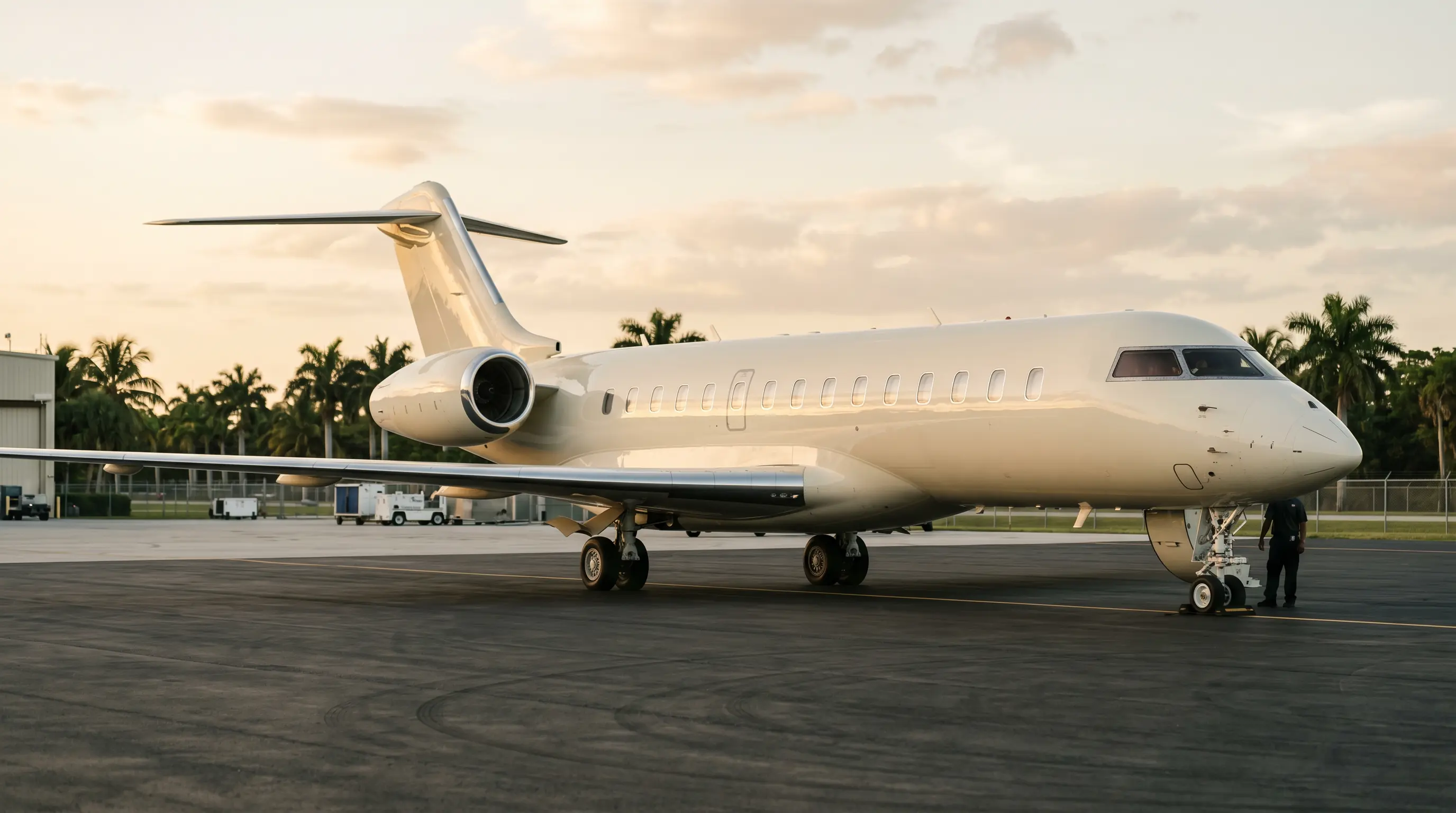
Private charters between Miami and New York typically depart from Miami-Opa Locka Executive Airport (OPF), Fort Lauderdale Executive Airport (FXE), Fort Lauderdale-Hollywood International Airport (FLL), or Miami International Airport (MIA) and arrive at Teterboro Airport (TEB), Westchester County Airport (HPN), Republic Airport (FRG), or Long Island MacArthur Airport (ISP).
Compare Ultra-Long-Range Jets for Miami to New York
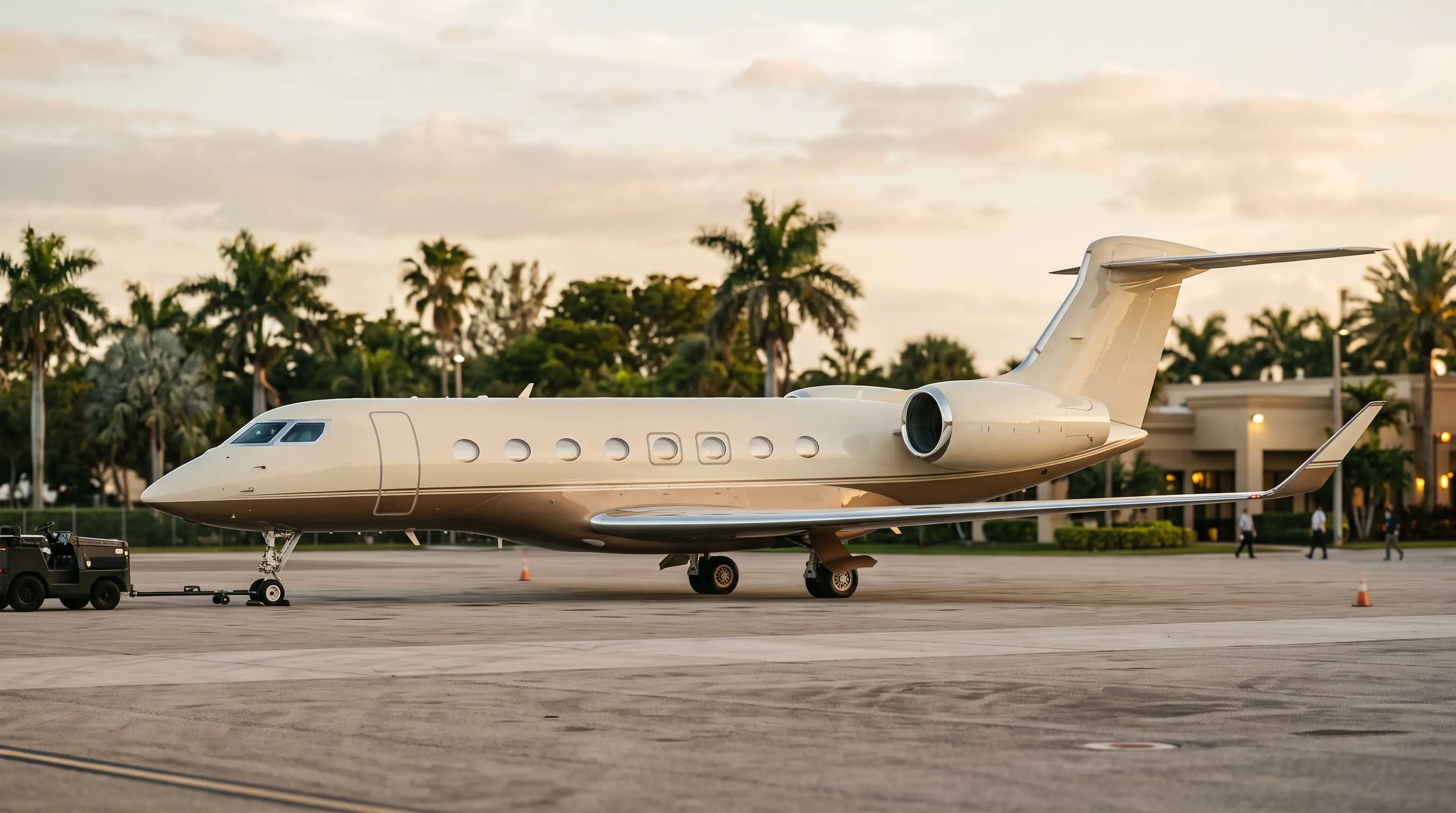
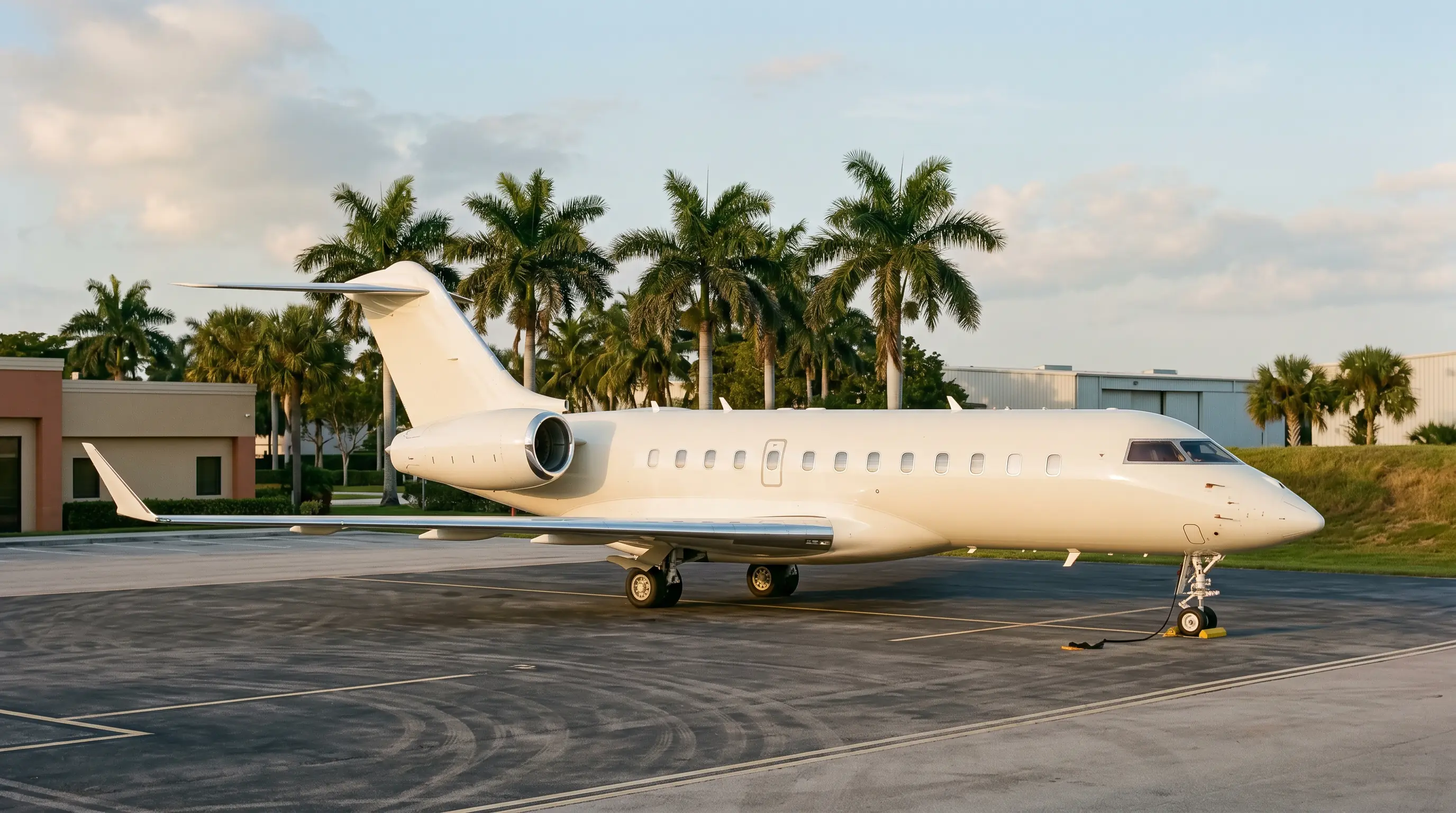
Compare at a glance
| Aircraft | Passengers | Range | Cruise | From (one-way, est.) |
|---|---|---|---|---|
| G650ER | 13–16 | 7,500 nm | 516 ktas | $40,000 |
| Global 7500 | 13–17 | 7,700 nm | 516 ktas | $52,000 |
| G550 | 12–16 | 6,750 nm | 488 ktas | $42,000 |
| G600 | 12–16 | 6,600 nm | 516 ktas | $46,000 |
| Global 6500 | 13–17 | 6,600 nm | 504 ktas | $46,000 |
How a flagship ends up on a 1,000-mile leg
Fleet logistics, mostly. These aircraft live between continents, and Miami and New York are two of the country's busiest private-aviation markets — so tails are forever crossing between them: dropping one party at Miami-Opa Locka Executive Airport (OPF), collecting another at Teterboro Airport (TEB), sliding north ahead of a European departure. Charter one of those movements and you're effectively sharing the cost of the airplane's own errand — which is why quotes at the soft end of the $40,000–78,000 band usually trace back to a repositioning.
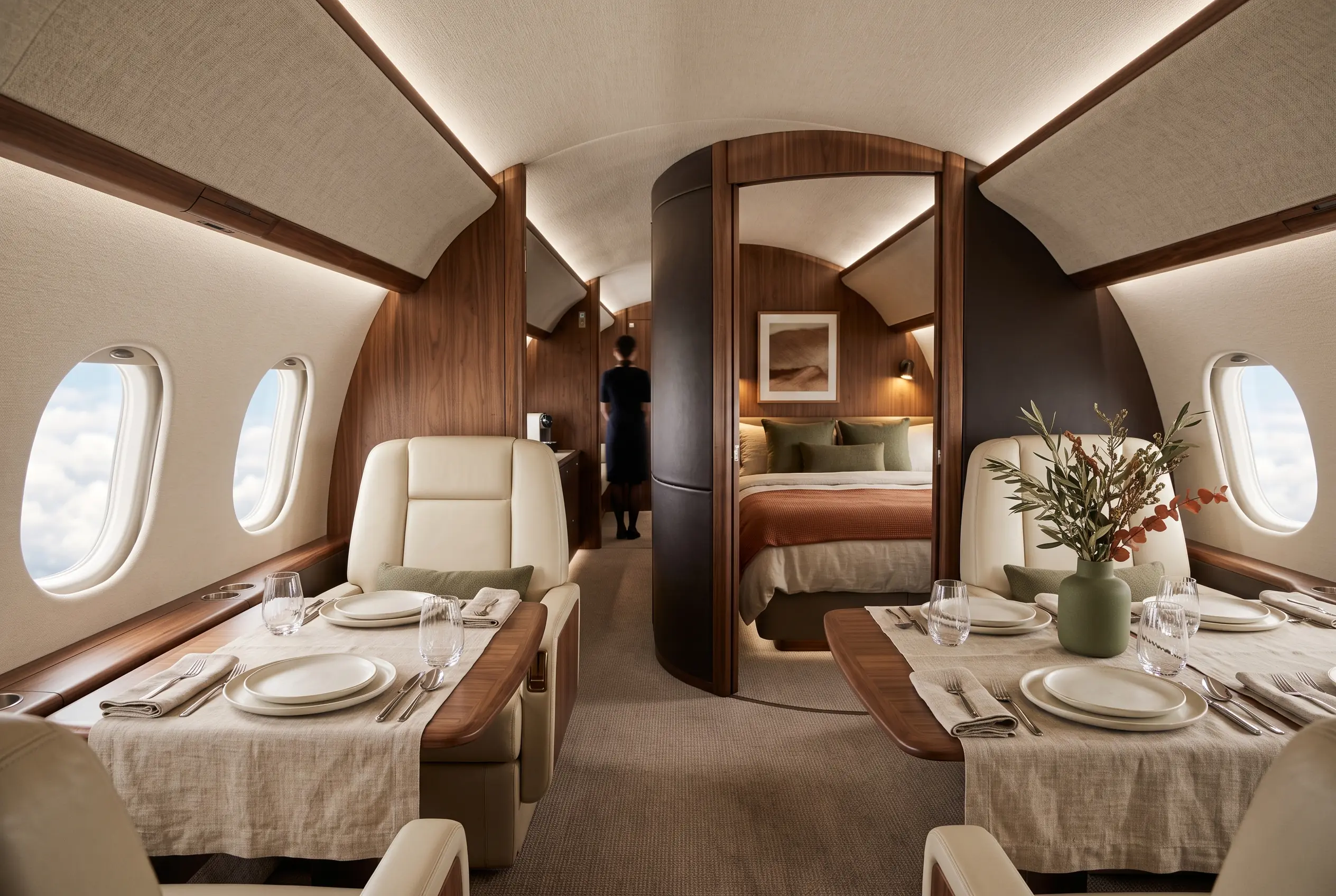
The cabin is the argument. A Global 7500 offers four zones down a 54 ft 5 in interior — club, conference, dining, and a genuine bedroom aft on many completions; the G650ER counters with an 8 ft 2 in-wide cross-section and windows generous enough to read by. Ceilings run 6 ft 2 in and better throughout the tier, attendants travel as a matter of course, and the galley serves courses, not trays.
None of it slows the trip. These jets cruise at Mach 0.88–0.925 and climb to 51,000 feet, above the airline flow and most of the weather, so the block holds at about two and a half hours — occasionally a few minutes inside it. You'll spend longer at dinner aboard than you will taxiing at Teterboro, and the car will still be waiting on the ramp when the door opens.
- Three- and four-zone cabins seating twelve to nineteen passengers
- From about $40,000 when a repositioning or continuation leg aligns
- Cabin attendant, full galley service, and a proper dining table
- Cruise at 51,000 feet, above much of the weather and the airline flow

The flagships, compared
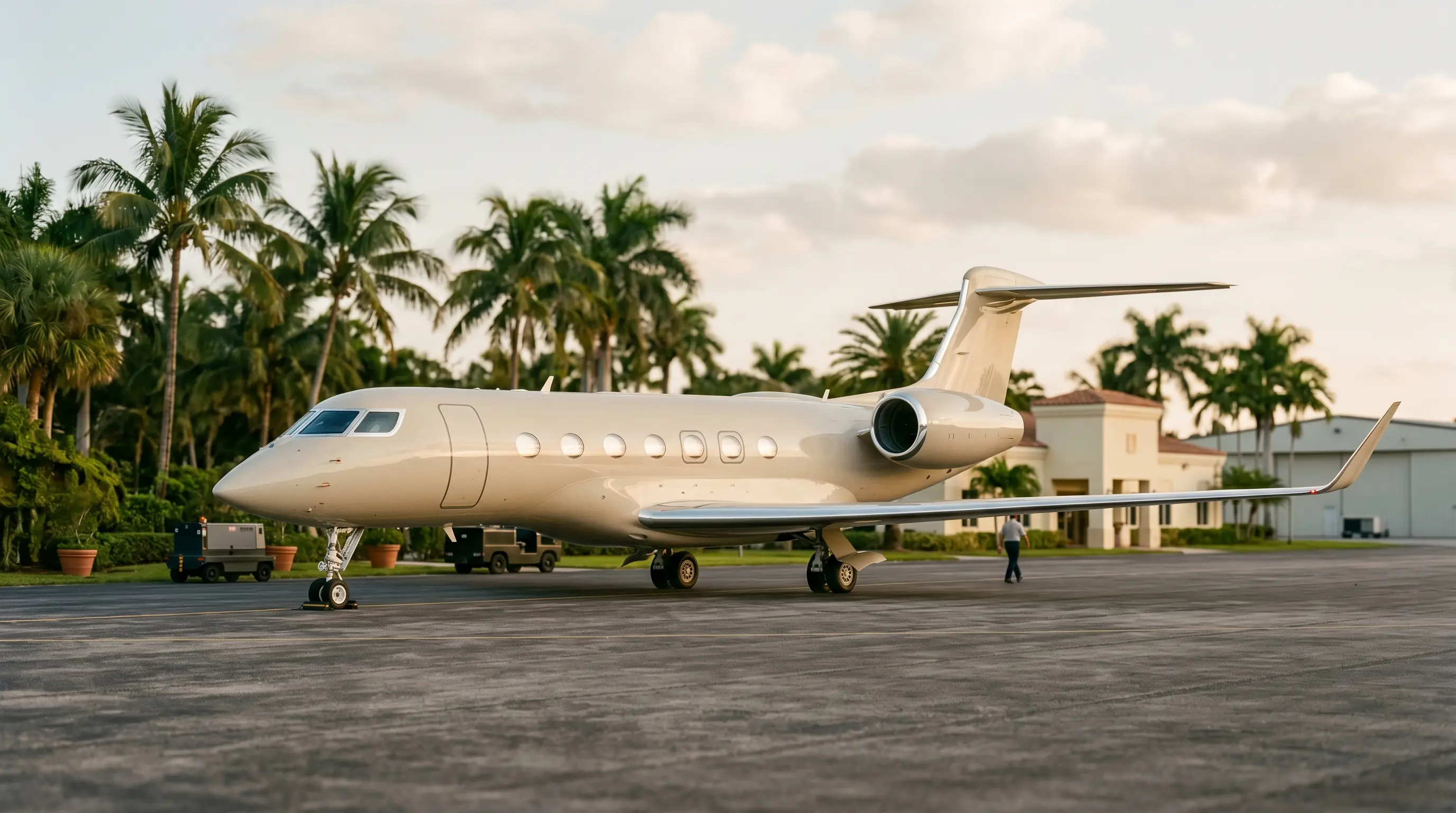
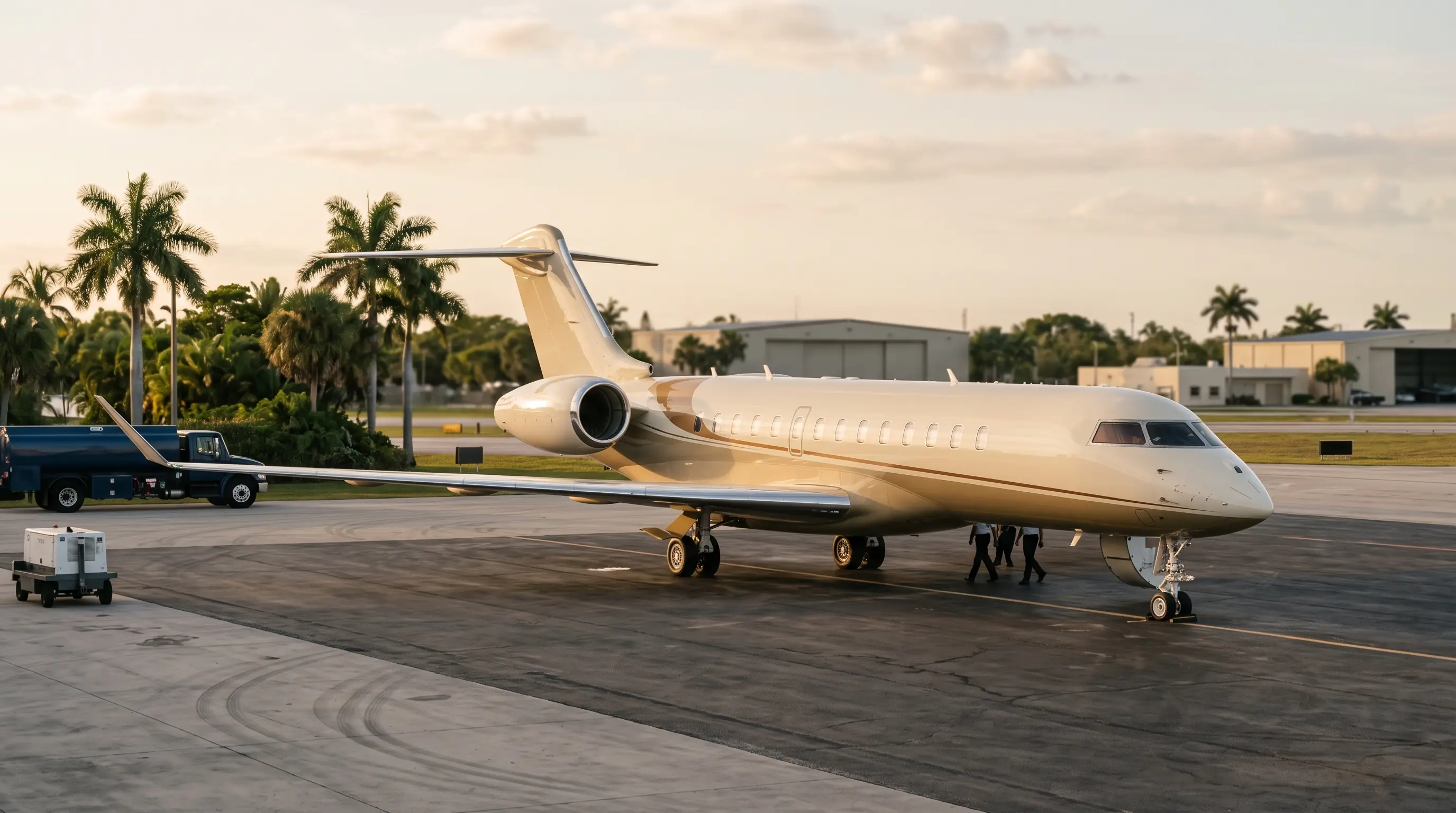
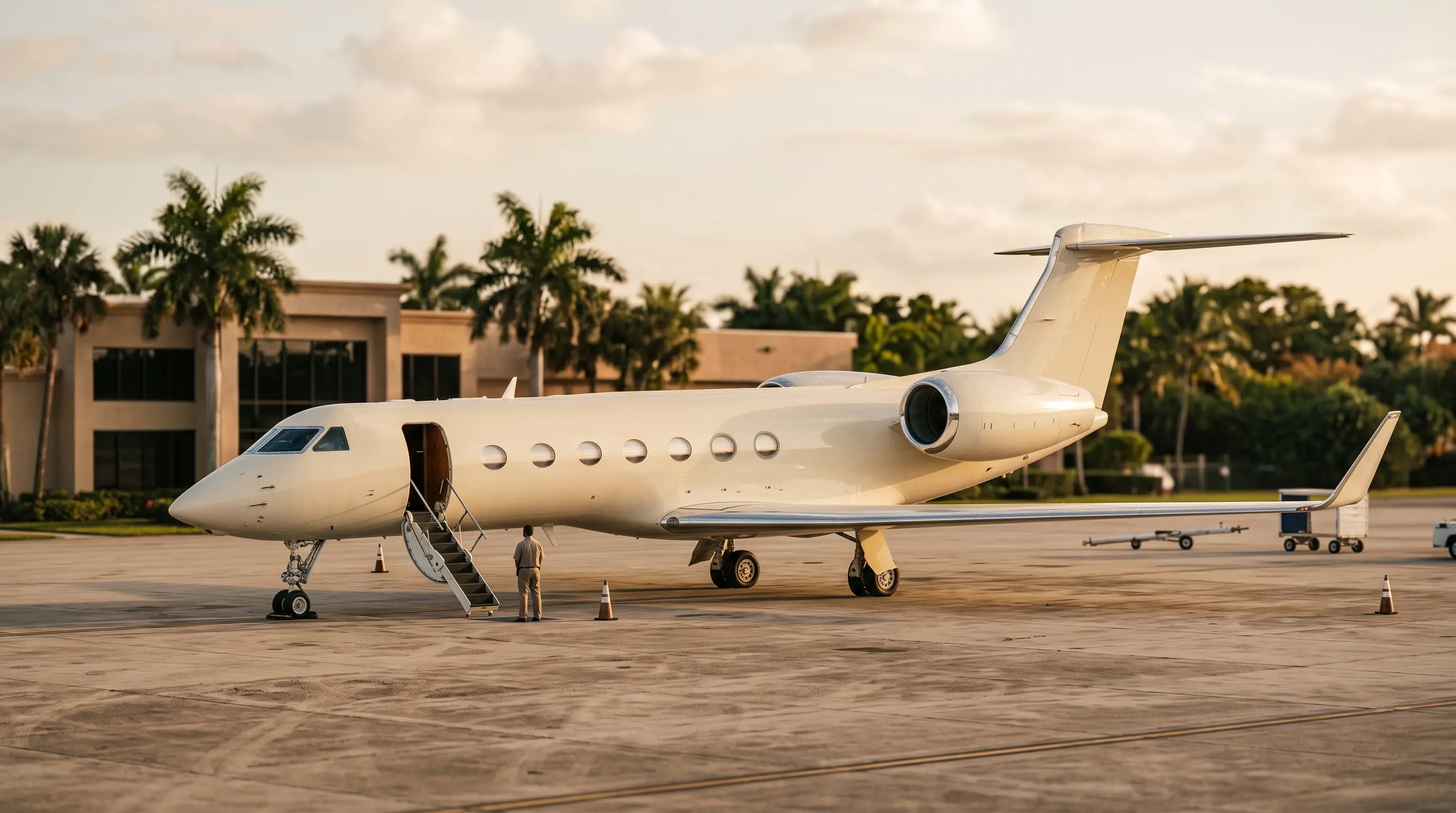
The Global 7500 is one of the largest purpose-built business jets flying — four zones and a private bedroom aft on many completions — while the G650ER stands out for cabin width and natural light. The G550 flies the same mission a generation earlier and books at $42,000–63,000, the tier's quiet bargain; the G600 and Global 6500 sit in between, with new-generation cabins in the mid-$40,000s to high-$60,000s.
Availability is the honest caveat: this tier is event-driven, and the best pricing follows the fleet's own schedule rather than yours. Give us flexibility of even a day and we'll watch for the right movement — or pair your dates with a live empty leg. If the timing must be exact, a heavy jet delivers most of the same experience with far more tails to choose from.
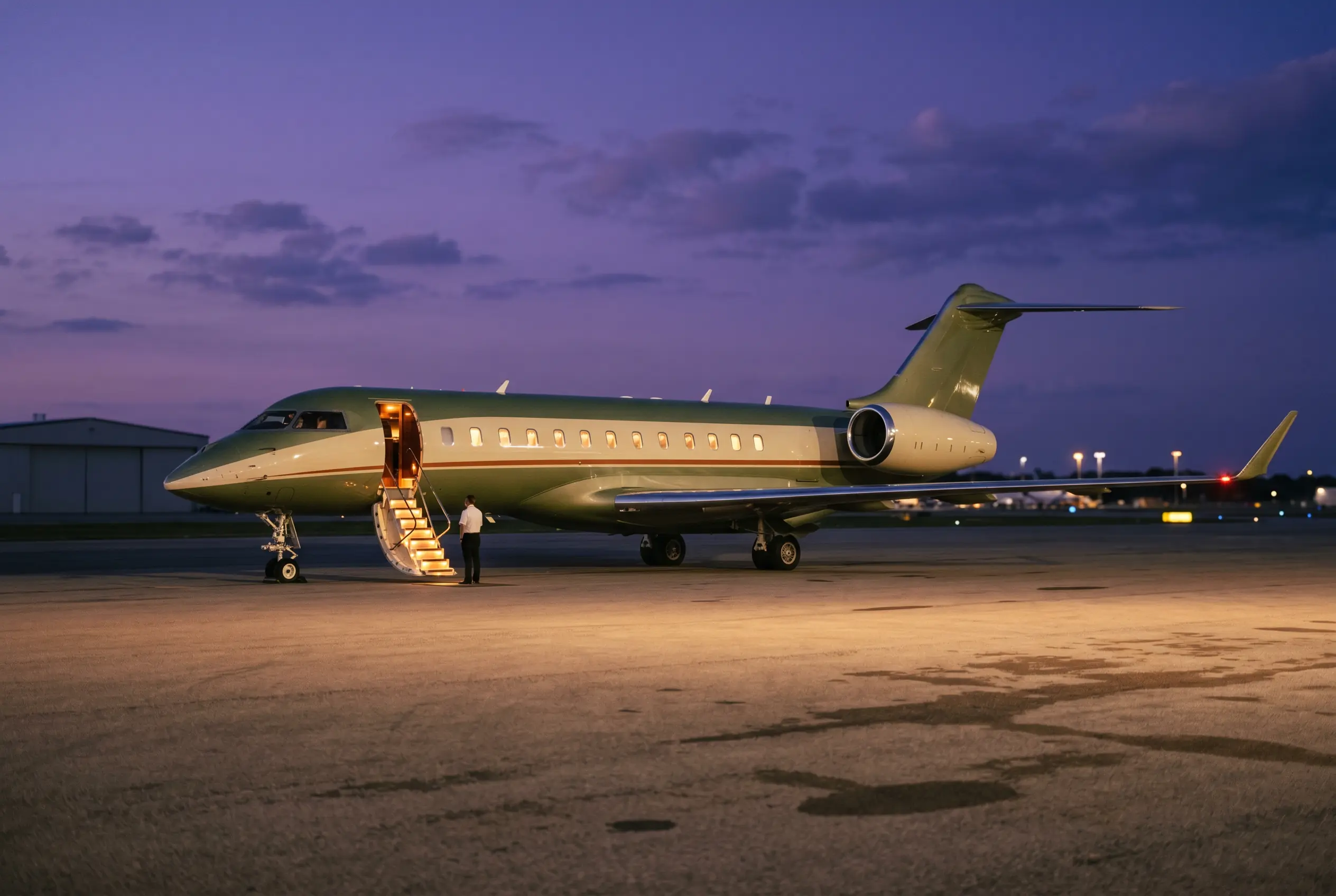
Ultra-Long-Range Jets gallery
Frequently asked questions
Why would anyone charter an ultra-long-range jet for 2.5 hours?
Continuity and occasion, mostly. Parties continuing to Europe keep one cabin the whole way; hosts want the dining table and the aft suite for a milestone flight; and when a flagship is repositioning through Florida anyway, the quote can land close to heavy-jet money. The question usually answers itself once the price does.
What does the flagship tier cost between Miami and New York?
Between about $40,000 and $78,000 one-way. The G650ER and G550 start near $40,000–42,000 when positioning is kind; the Global 6500 and G600 run $46,000–69,000; the Global 7500 tops the tier at $52,000–78,000. Flexible timing is the single biggest lever on the number.
How is this tier different from a heavy jet?
Scale and intent. Heavies give you ten to sixteen seats in two or three zones; the flagships stretch to nineteen across three or four, add crew rest and full-course galleys, and carry 6,500-plus nautical miles of range you won't touch. On this leg the difference is felt as space, privacy, and depth of service.
How many can travel, and with how much luggage?
Twelve to nineteen passengers depending on the completion, with holds of 170–195 cu ft plus generous in-cabin stowage. A season's luggage — trunks, garment boxes, equipment — travels without a second aircraft. For more than nineteen on one airframe, a VIP airliner is the next step.
How far ahead should I book one?
Longer than a light jet, less than you'd fear. A week's notice gives us a fair chance of matching a repositioning tail; forty-eight hours is workable when the fleet cooperates. Peak weeks around the holidays tighten everything — for those dates, two to three weeks of lead time keeps the whole tier in play.
Ready to fly Miami to New York?
Send your dates and party size for estimated pricing across suitable aircraft — typically within two hours, with no obligation.
 +1 (786) 828-5664
  +1 (786) 828-5664
