Charter a King Air 260 from Miami to New York
Published · Updated
Ask charter pilots which turboprop they would put their own family on, and the King Air conversation starts itself. The King Air 260 is the current mid-size expression of a line Beechcraft (Textron Aviation) has been refining for six decades: two engines, a square-oval cabin for six to eight, and manners that shrug off the weather between Florida and the Northeast.
Flying Miami to New York, it goes nonstop in about three hours twenty minutes — a 310-knot cruise against a 1,000-nautical-mile leg, with its 1,720-mile range leaving reserves to spare. Estimated pricing runs $9,000 to $13,500 one-way from Miami-Opa Locka Executive Airport (OPF) or Fort Lauderdale Executive Airport (FXE), which buys jet-grade dispatch reliability at two-thirds of a light jet's price.
- 1,720 nm range
- 310 ktas cruise
- 6–8 passengers
Estimated pricing for planning — your account manager confirms the final quote.
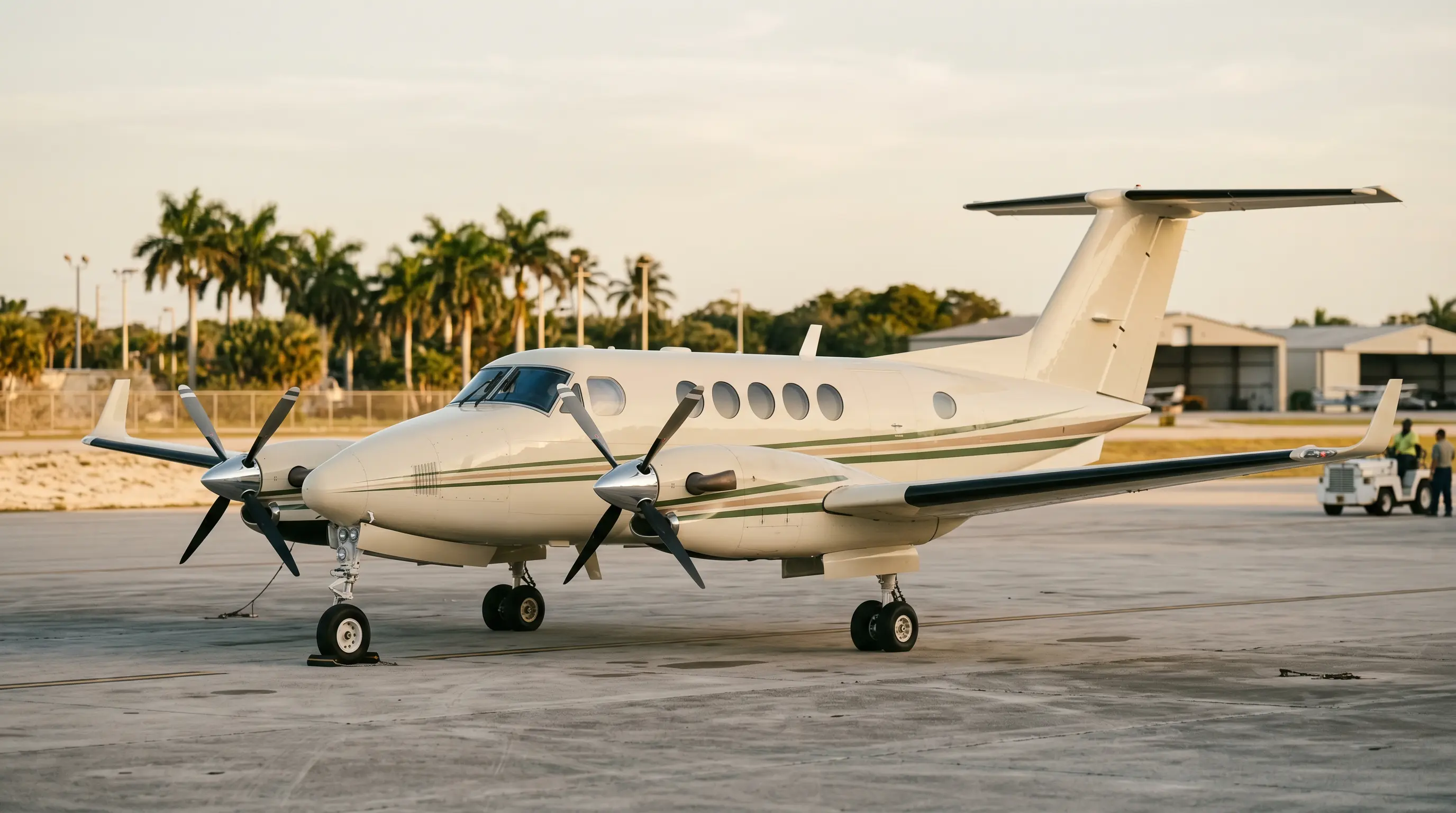
Private charters between Miami and New York typically depart from Miami-Opa Locka Executive Airport (OPF), Fort Lauderdale Executive Airport (FXE), Fort Lauderdale-Hollywood International Airport (FLL), or Miami International Airport (MIA) and arrive at Teterboro Airport (TEB), Westchester County Airport (HPN), Republic Airport (FRG), or Long Island MacArthur Airport (ISP).
King Air 260 specifications
Manufacturer performance figures — Beechcraft (Textron Aviation).
- 1,720 nm
- Max range
- 310 ktas
- Cruise speed
- 6–8
- Passengers
- 4 ft 9 in
- Cabin height
- 55 cu ft
- Luggage
- 35,000 ft
- Service ceiling
The case for the twin
Some passengers simply want two engines over 1,000 miles of coastline, and the 260 is one of the most balanced ways to buy that reassurance. It pairs twin PT6A dependability with a thoroughly modern flight deck — including an autothrottle that trims crew workload on busy New York arrivals — and it holds 35,000 feet, high enough to stay above many of the summer build-ups that make lower-flying aircraft weave. Schedule reliability is the quiet dividend: when a front sits over the Carolinas, King Airs tend to go while fair-weather aircraft wait.
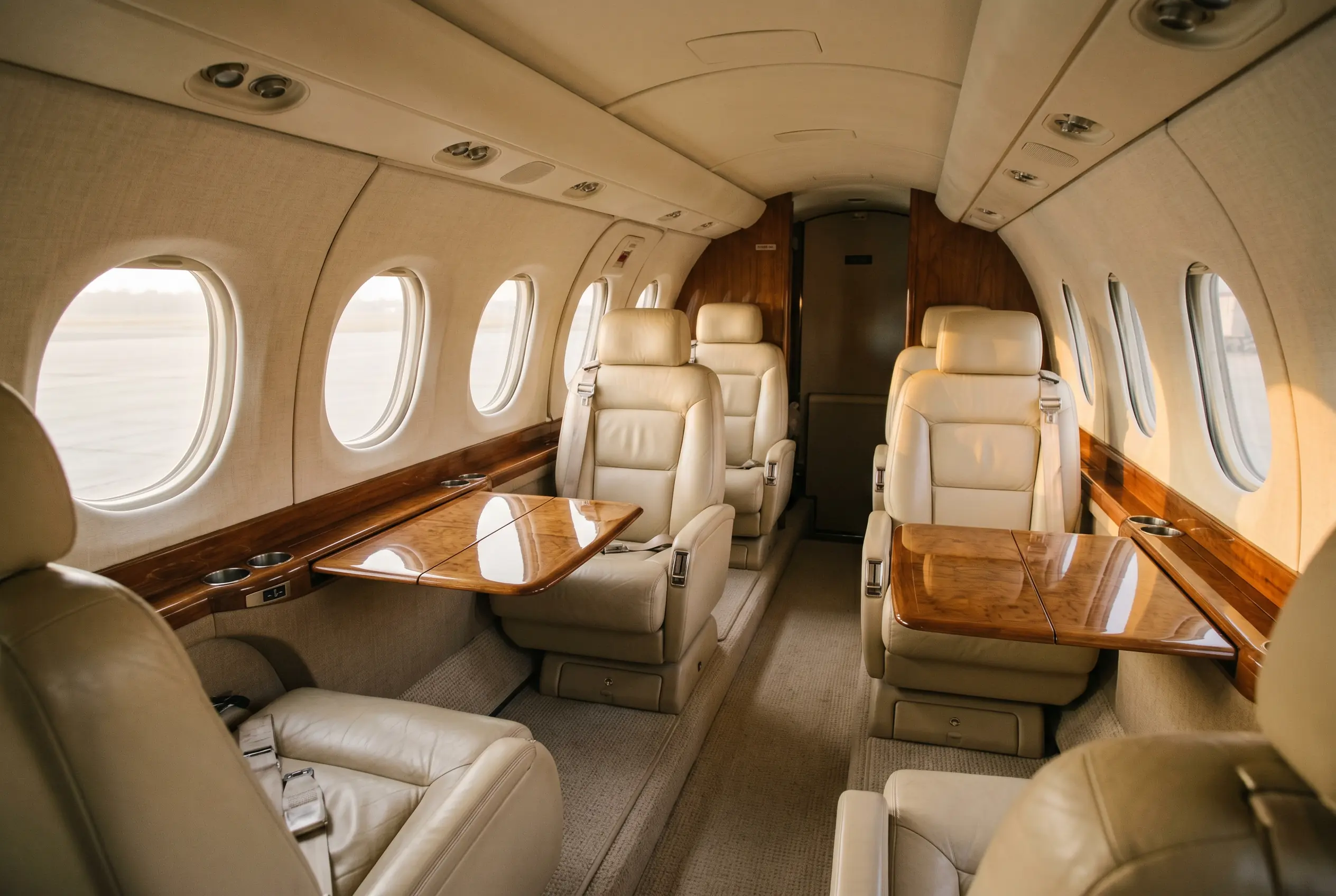
The cabin is where the King Air formula shows. The square-oval cross-section gives usable shoulder room at 4 ft 6 in wide and 4 ft 9 in tall, seats six in a double-club with room for two more, and stays conversational at cruise thanks to modern prop synchronization. Behind the aft bulkhead, 55 cu ft of luggage takes proper suitcases, golf bags, and a stroller without negotiation. It is a working cabin rather than a showpiece — fold-out tables, deep seats, coffee that stays level.
Choosing between King Airs comes down to headcount and budget. The C90GTx saves roughly a thousand dollars for parties of four or five and adds about twenty-five minutes; the 350i stretches the cabin for eight and shaves a few minutes off. The 260 is the middle path — most clients with five or six travelers and normal luggage land here, and few second-guess it on arrival at Teterboro Airport (TEB).
- Nonstop in about 3 h 20 m at up to 310 knots
- Twin-engine reassurance with a current-generation autothrottle flight deck
- Six to eight seats and 55 cu ft of real luggage space
- From $9,000 one-way, estimated — arrivals into Teterboro or Westchester County Airport (HPN)

How we quote this aircraft
King Air 260s and their 200-series predecessors are among the most common charter turboprops on the East Coast, so competition works in your favor. When you inquire we compare the 260 against nearby King Air 250s and B200s — often meaningfully cheaper for the same cabin — and tell you when the older airframe is the smarter buy. Every option flies under FAA Part 135 with two-pilot crews as standard on this route, and the quote covers fuel, fees, de-icing in season, and standard catering.
Timing your booking: this class sells out around Miami event weekends and the winter holidays, when South Florida demand spikes. Two weeks' notice is comfortable; forty-eight hours is usually workable outside peaks. Morning departures out of Opa Locka clear fastest — you will be at the FBO fifteen minutes before wheels-up, and your car meets the aircraft on the ramp in New Jersey.
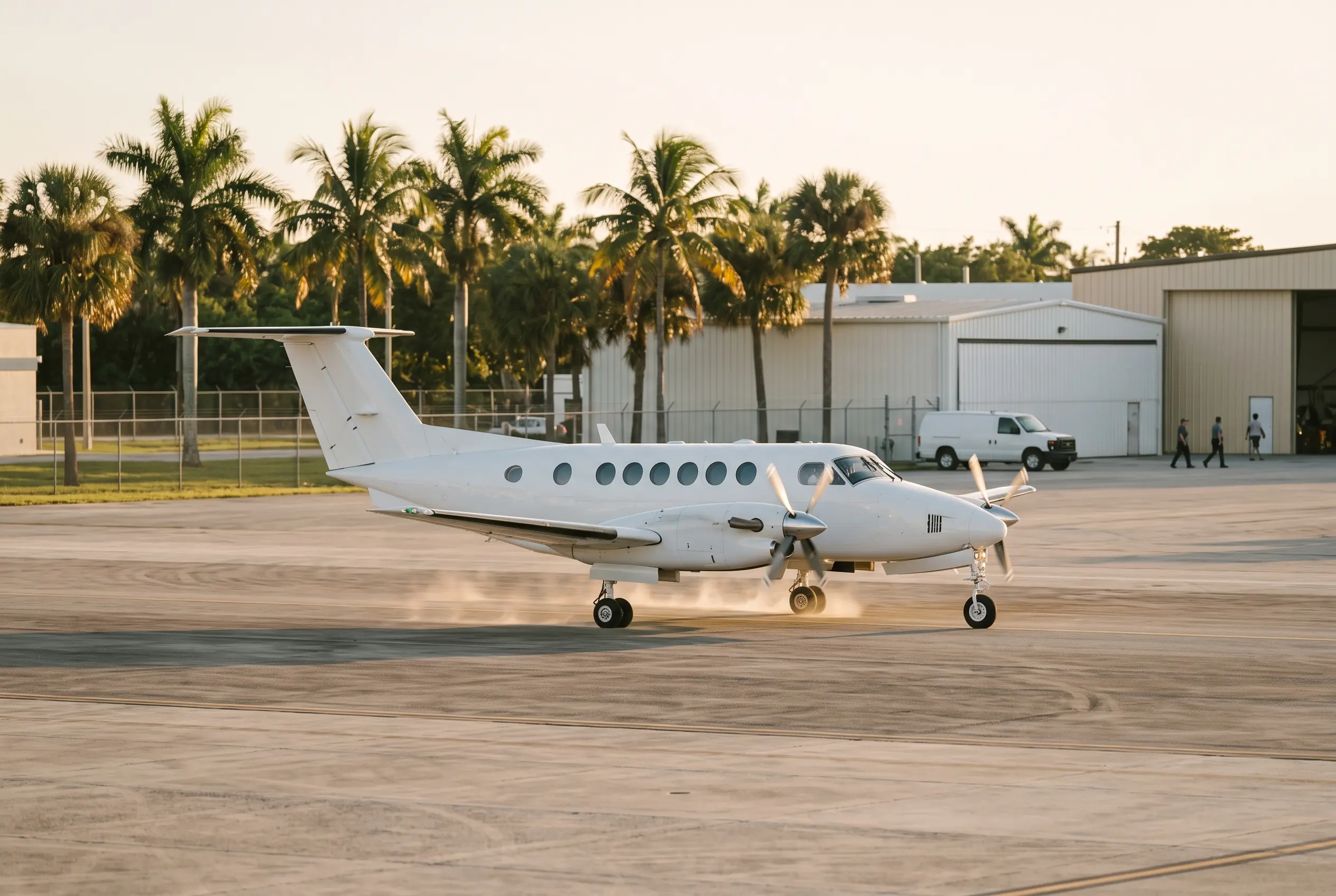
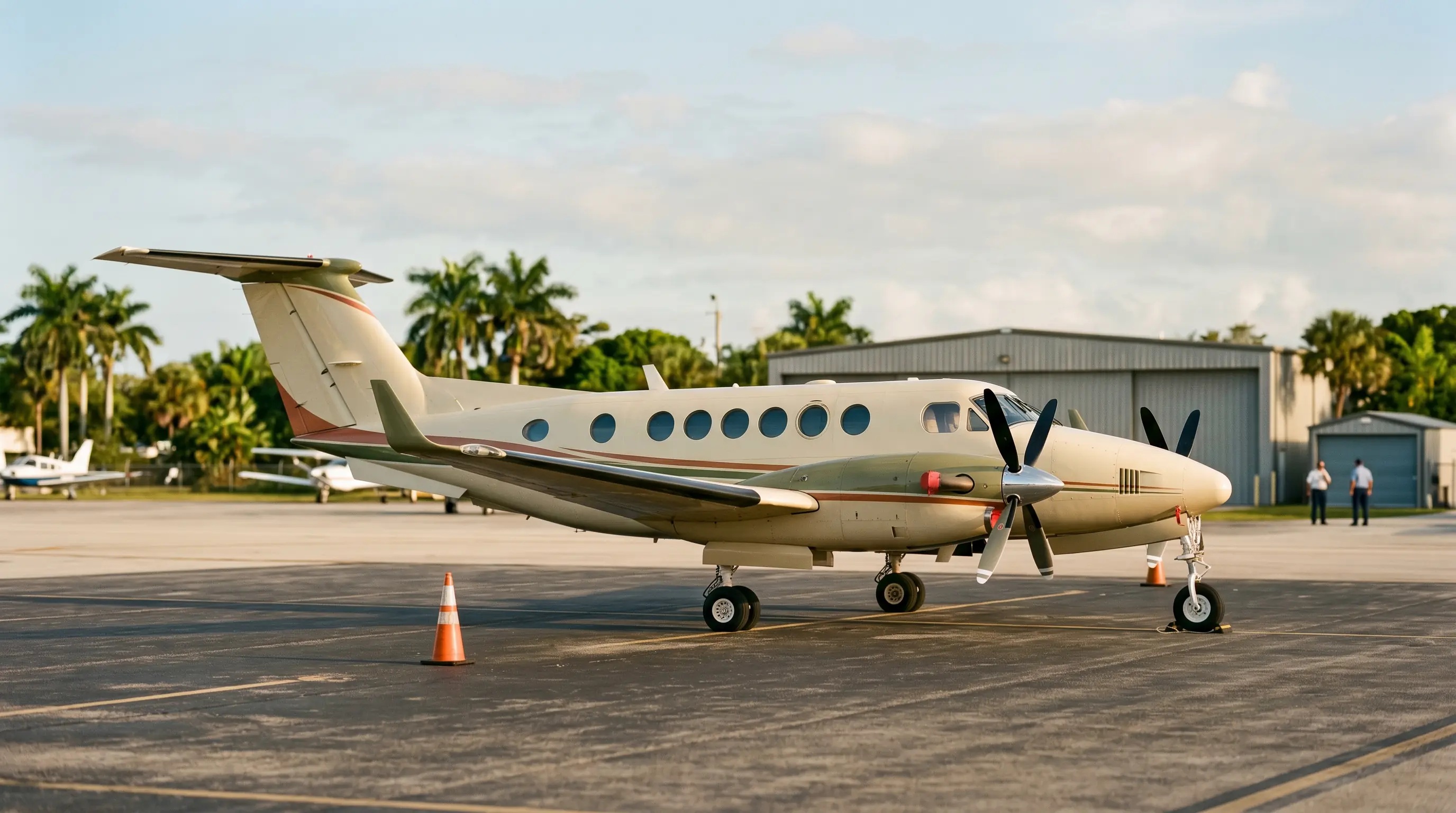
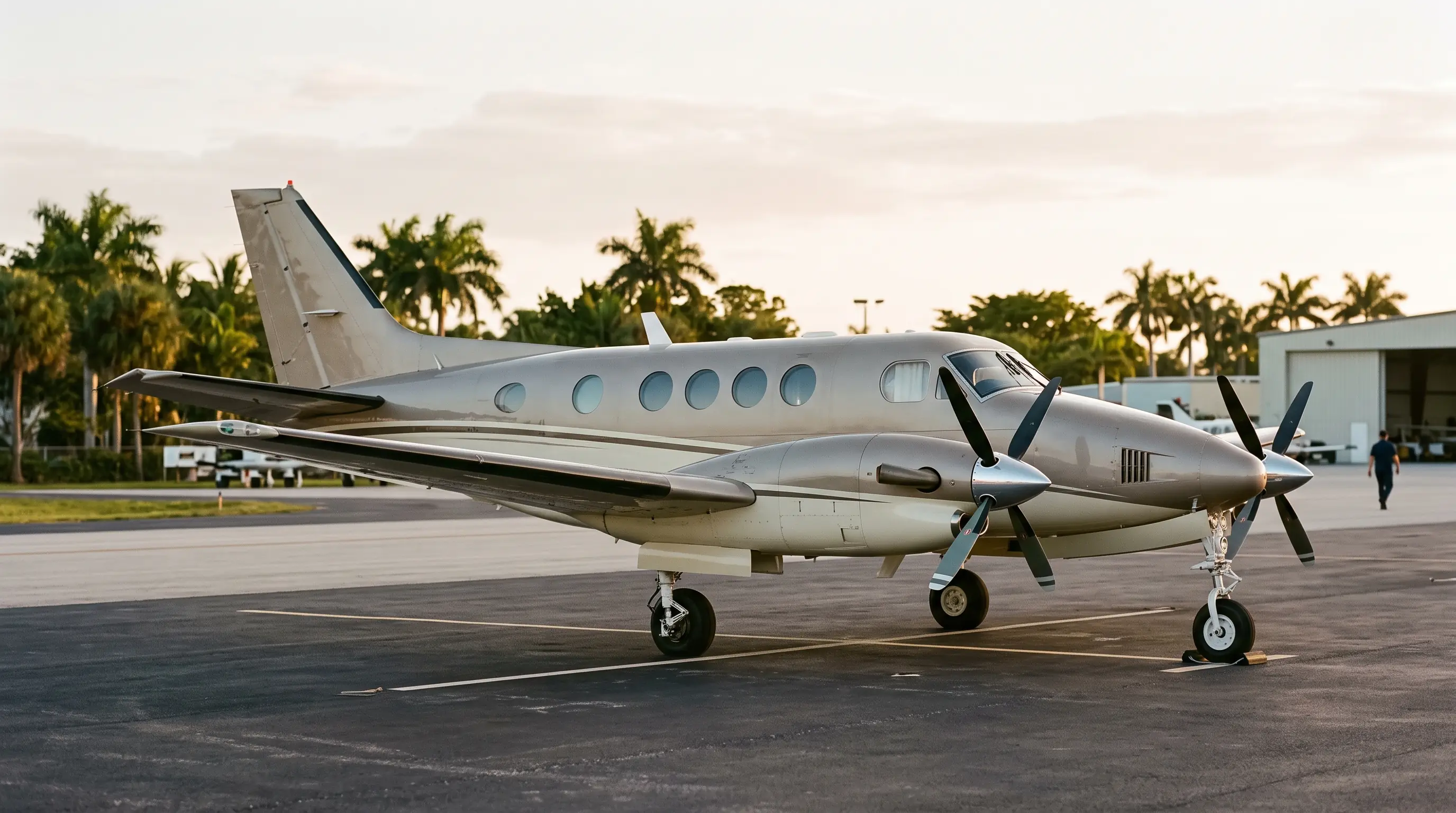
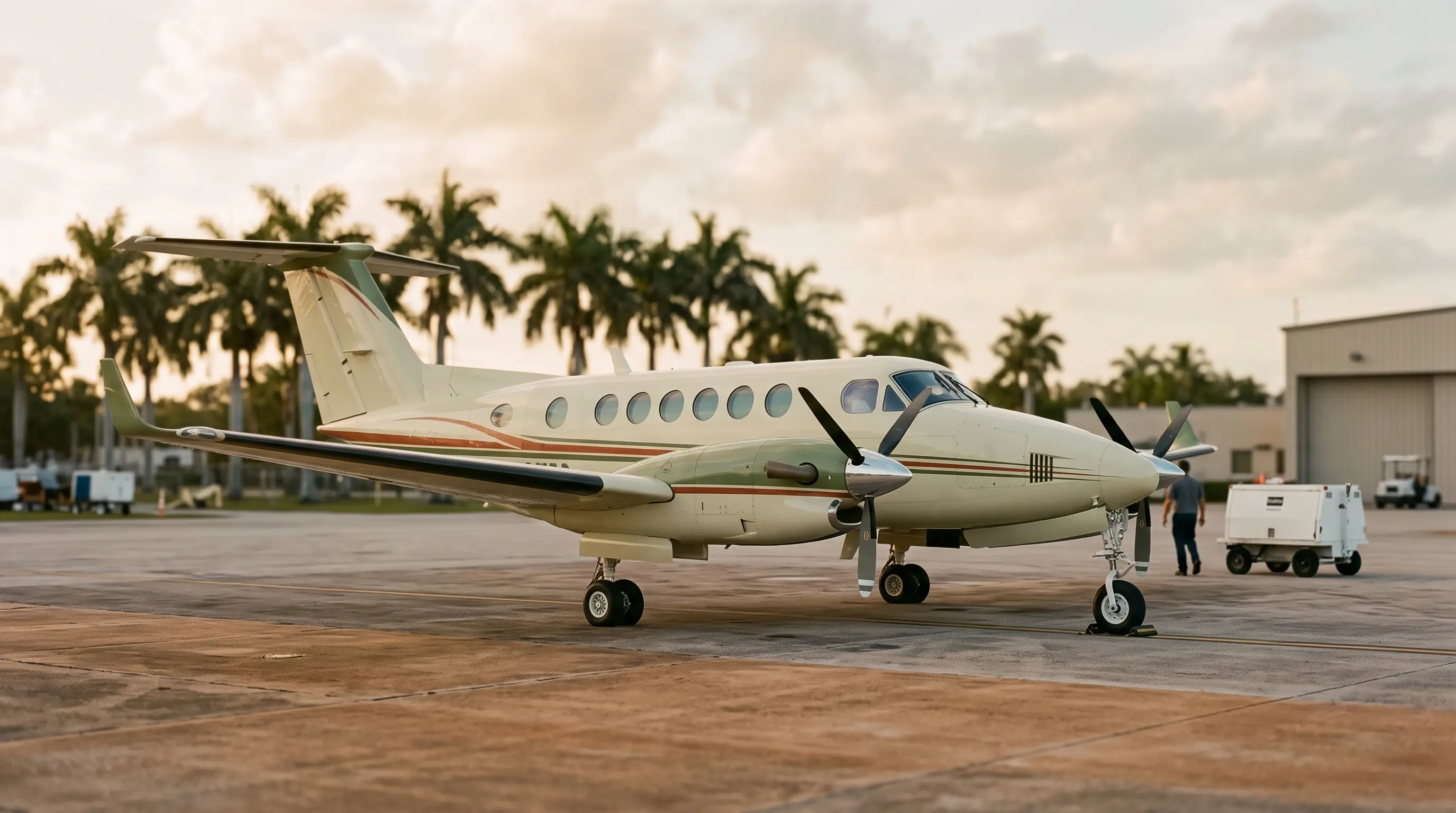
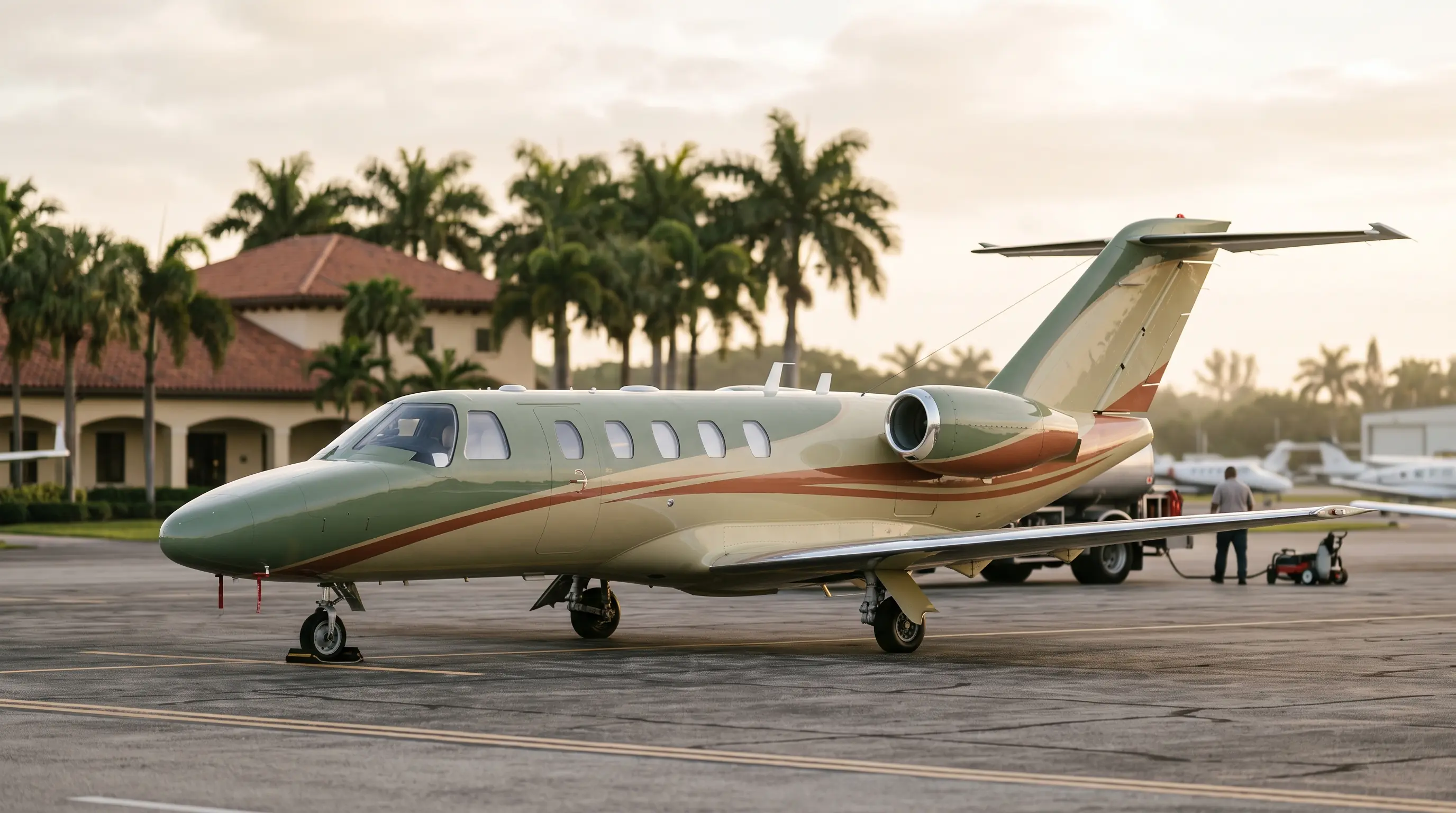
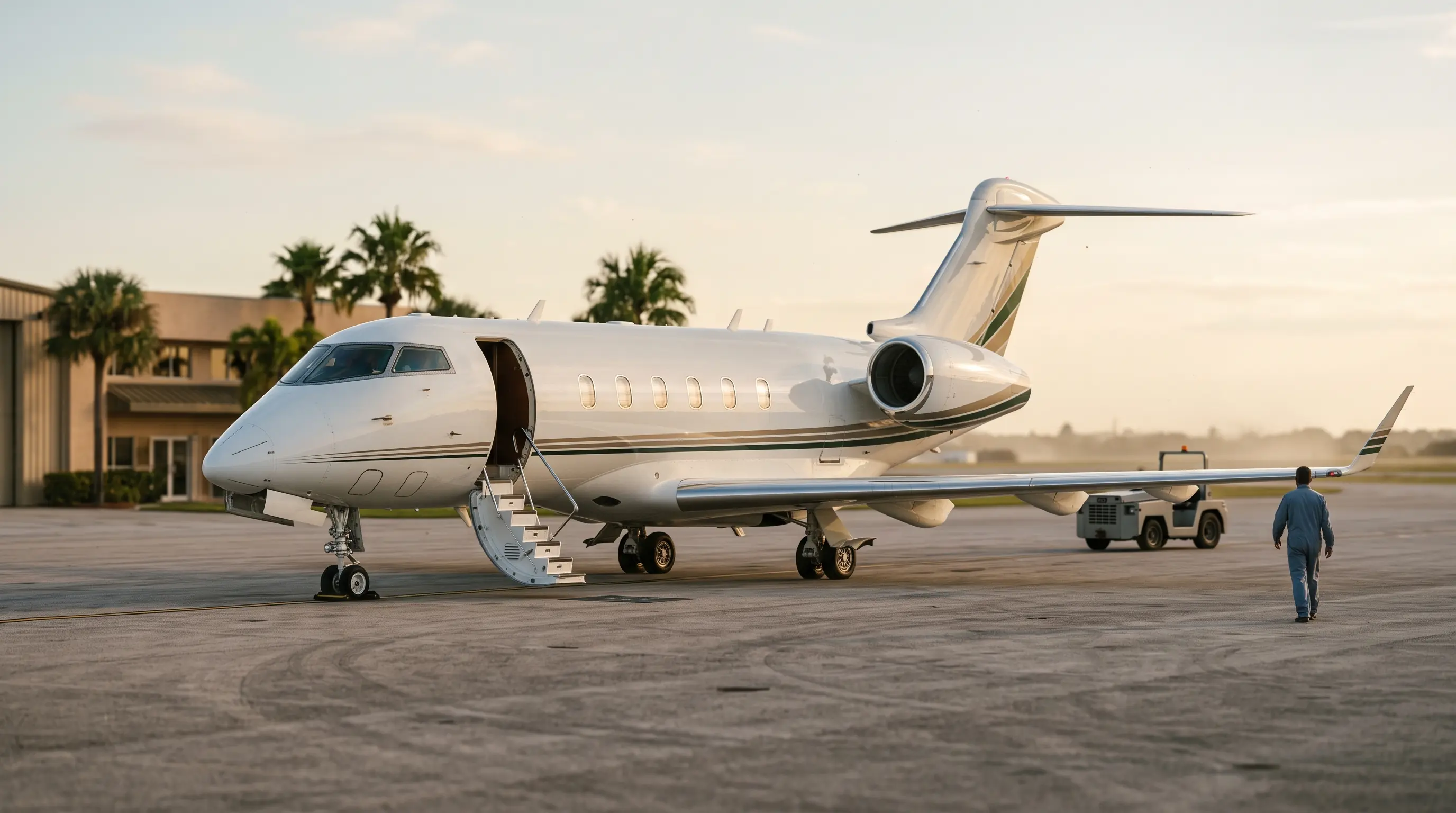
The King Air 260, inside and out
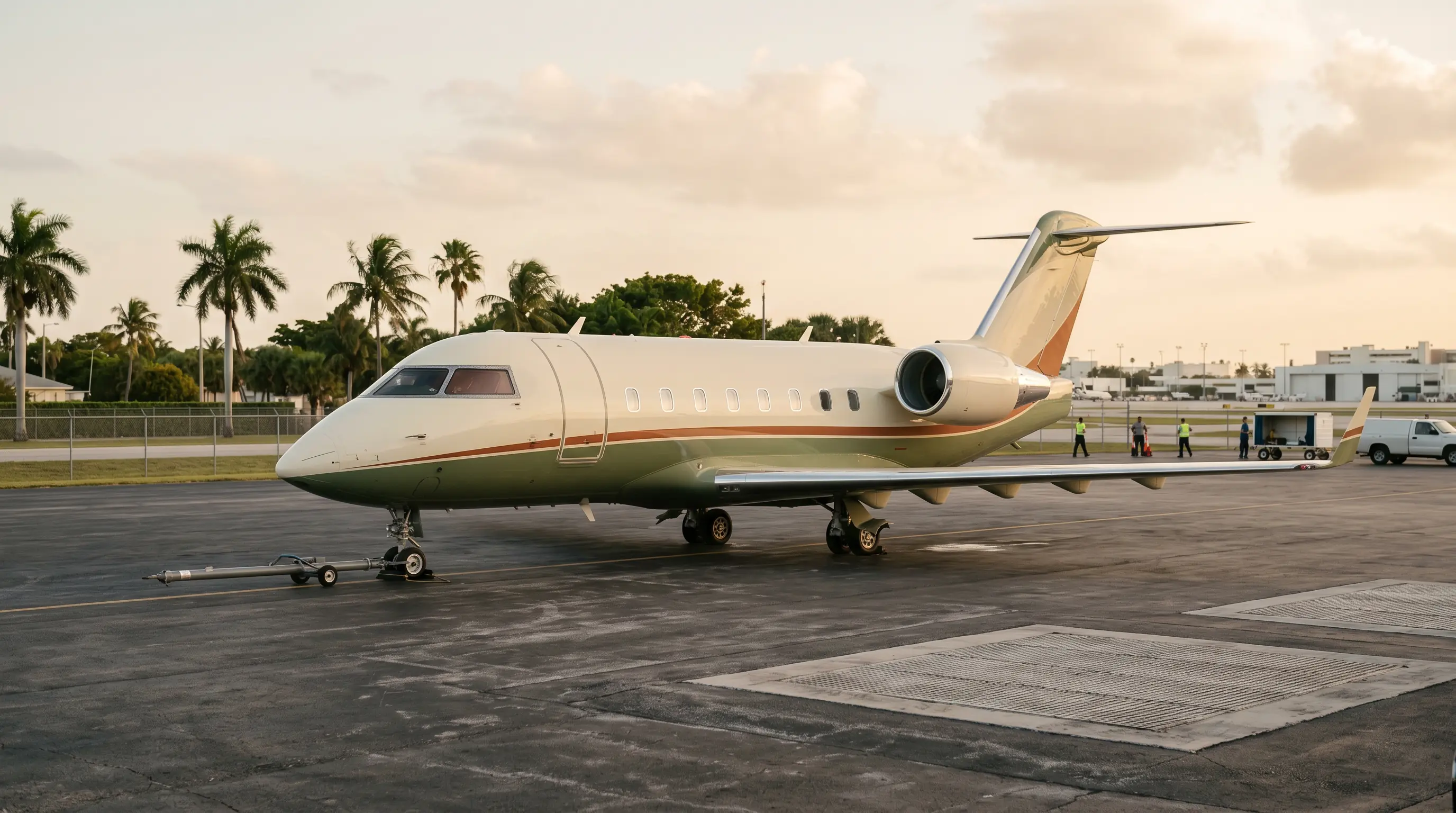
Charter services for the Miami–New York route
Frequently asked questions
What is the flight time on a King Air 260 between Miami and New York?
About three hours twenty minutes nonstop. The 260 cruises at up to 310 knots and carries fuel for 1,720 nautical miles, so the 1,000-mile trip is well within reach with full reserves — no fuel-stop asterisk, regardless of season or a full cabin.
How much does a King Air 260 charter cost on this route?
Between $9,000 and $13,500 one-way (estimated). Positioning drives the spread: a 260 based in South Florida quotes near the bottom, one repositioning from Orlando or the Carolinas near the top. Older King Air 200-series aircraft with the same cabin sometimes come in below $9,000 — ask and we will show both.
Why choose it over a light jet at $15,000?
You give up roughly fifty minutes and save four to six thousand dollars. The King Air cabin is wider than several light jets, luggage is easier, and it uses every executive airport on both ends. If the meeting is at 2 p.m. rather than 11 a.m., the turboprop math usually wins.
How many passengers can it take?
Up to nine seats exist, but six adults in the double-club is the configuration that travels well over three-plus hours; eight works for shorter-bodied parties or families with children. Each passenger can bring normal luggage — the 55 cu ft aft bay plus cabin stowage handles a week away without triage.
Does weather along the East Coast affect the trip?
Less than most alternatives. The 260 is certified for known icing, cruises at 35,000 feet above much of the summer convection, and its autothrottle-equipped flight deck eases the busiest New York arrival sequences. Crews still route around serious cells — expect ten-minute deviations, not cancellations, on most disturbed days.
Ready to fly Miami to New York?
Send your dates and party size for estimated pricing across suitable aircraft — typically within two hours, with no obligation.
 +1 (786) 828-5664
  +1 (786) 828-5664
