Daher TBM 960 Charter: Miami to New York
Published · Updated
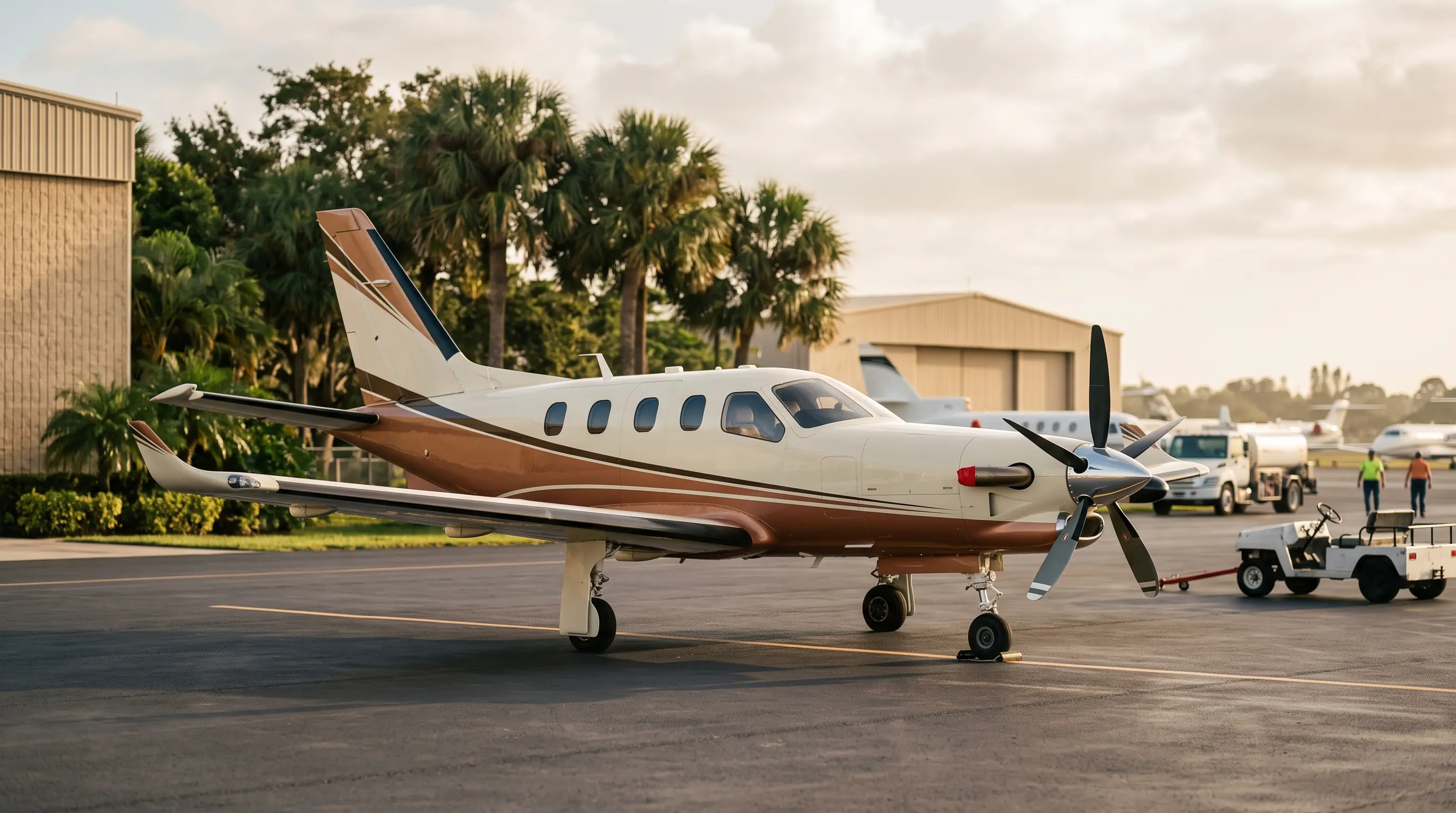
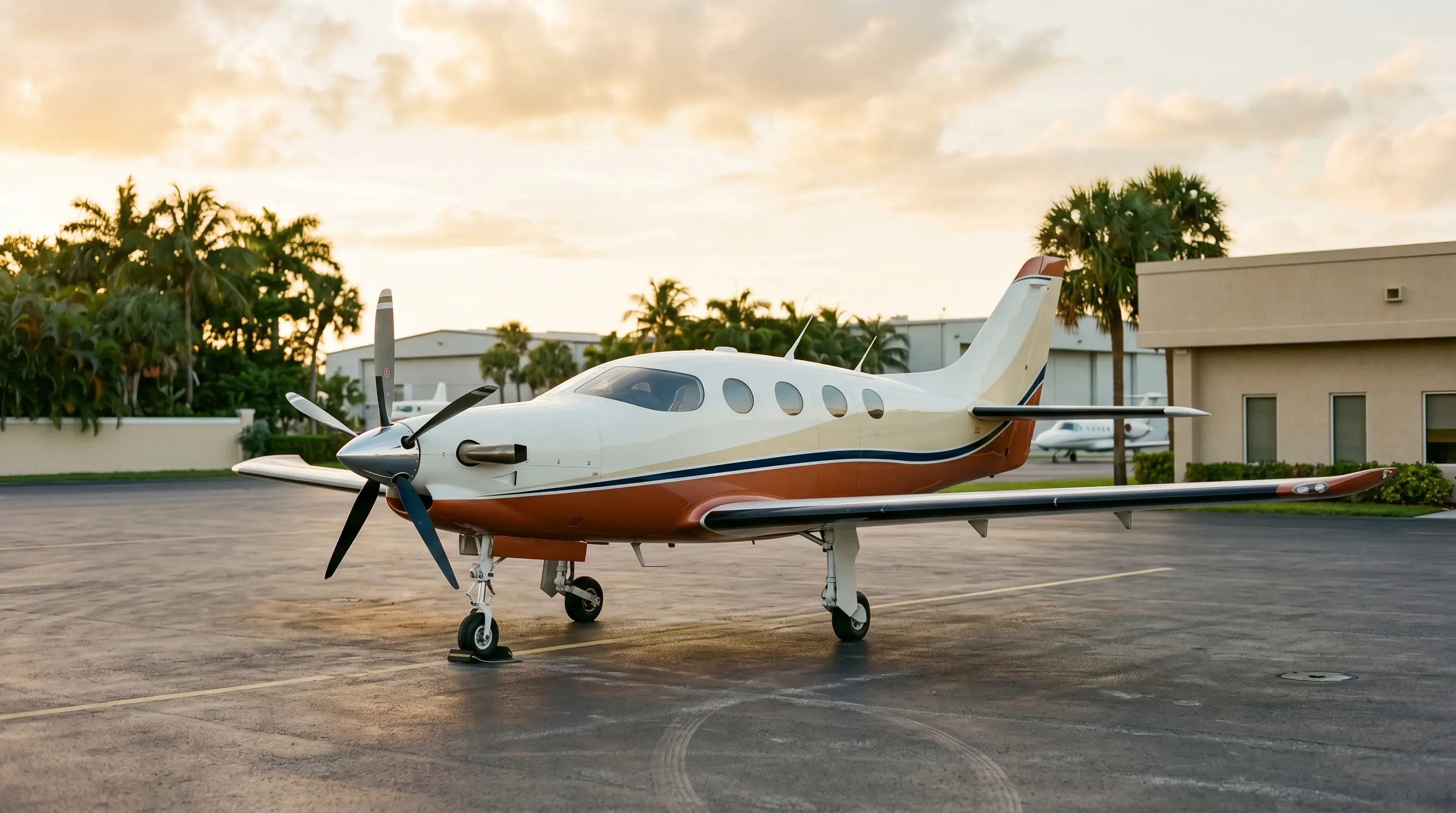
Some aircraft are bought with spreadsheets, the TBM 960 mostly with the heart — then the spreadsheet agrees anyway. Daher builds it in the French Pyrenees as the fast single-engine turboprop refined to its logical end: 330 knots behind a digitally managed PT6E, four passengers in a tailored cabin, and fuel burn that makes jet performance look faintly embarrassed.
Miami to New York takes about three hours flat — wheels-up at Miami-Opa Locka Executive Airport (OPF), the 1,000 miles dispatched nonstop with the 1,730-mile range barely stirred. At $7,500 to $10,500 one-way it slots between the personal Piper and the King Air twins: for one to three travelers with soft luggage, arguably the purest time-for-money conversion on this route.
- 1,730 nm range
- 330 ktas cruise
- 4 passengers
Estimated pricing for planning — your account manager confirms the final quote.
Private charters between Miami and New York typically depart from Miami-Opa Locka Executive Airport (OPF), Fort Lauderdale Executive Airport (FXE), Fort Lauderdale-Hollywood International Airport (FLL), or Miami International Airport (MIA) and arrive at Teterboro Airport (TEB), Westchester County Airport (HPN), Republic Airport (FRG), or Long Island MacArthur Airport (ISP).
TBM 960 specifications
Manufacturer performance figures — Daher.
- 1,730 nm
- Max range
- 330 ktas
- Cruise speed
- 4
- Passengers
- 4 ft 0 in
- Cabin height
- 35 cu ft
- Luggage
- 31,000 ft
- Service ceiling
Three hours, four seats, no theater
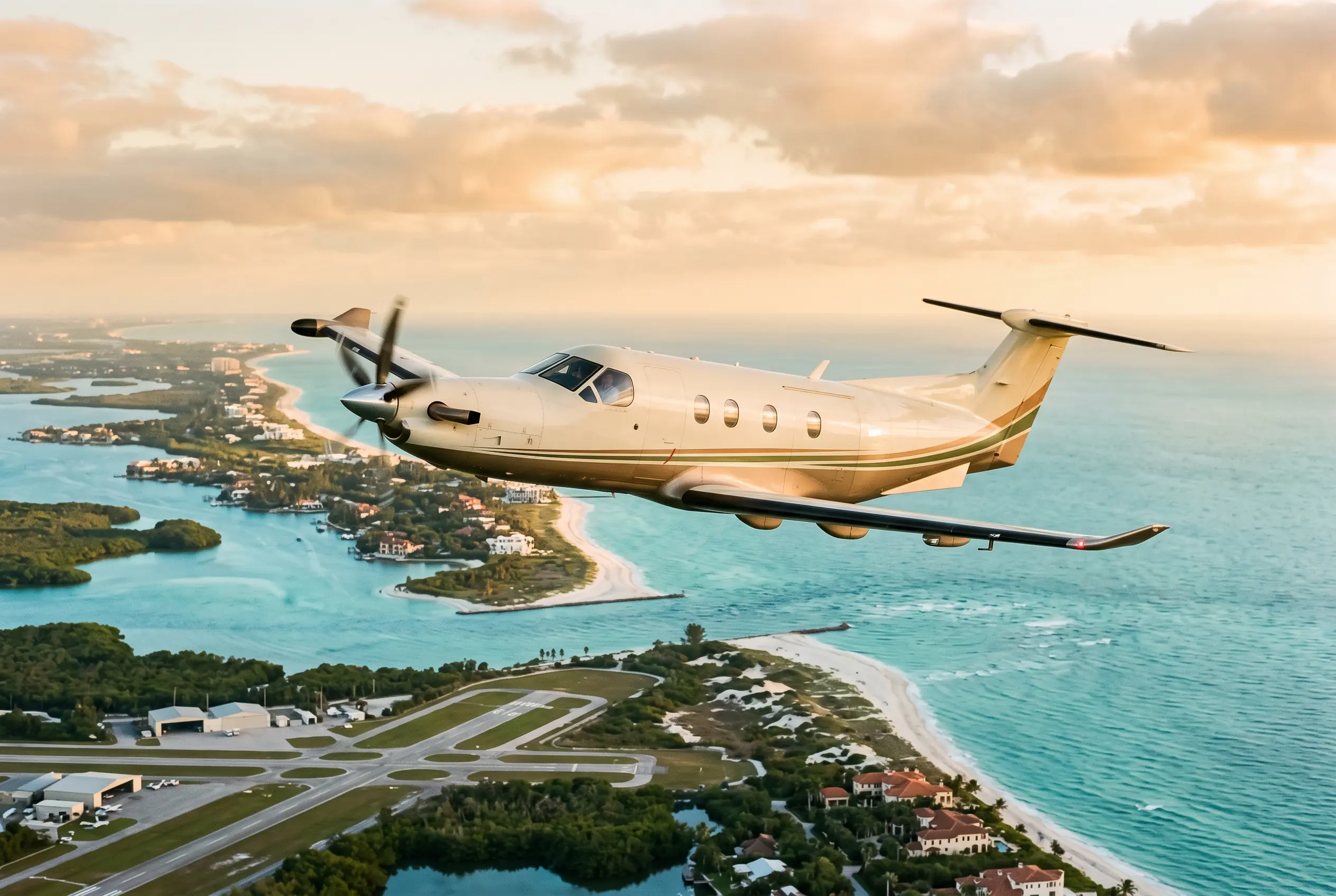
The speed is real and repeatable. Crews plan 326–330 knots at 31,000 feet, which puts wheels at Teterboro Airport (TEB) almost exactly three hours after a Florida departure — twenty minutes behind a Citation M2 that costs four to six thousand dollars more on the same morning. The PT6E's single-lever digital control also shortens the whole operational day: quicker starts, simpler power management, less taxi dawdle. You feel the modernity the way you feel a new car's — everything just happens sooner.
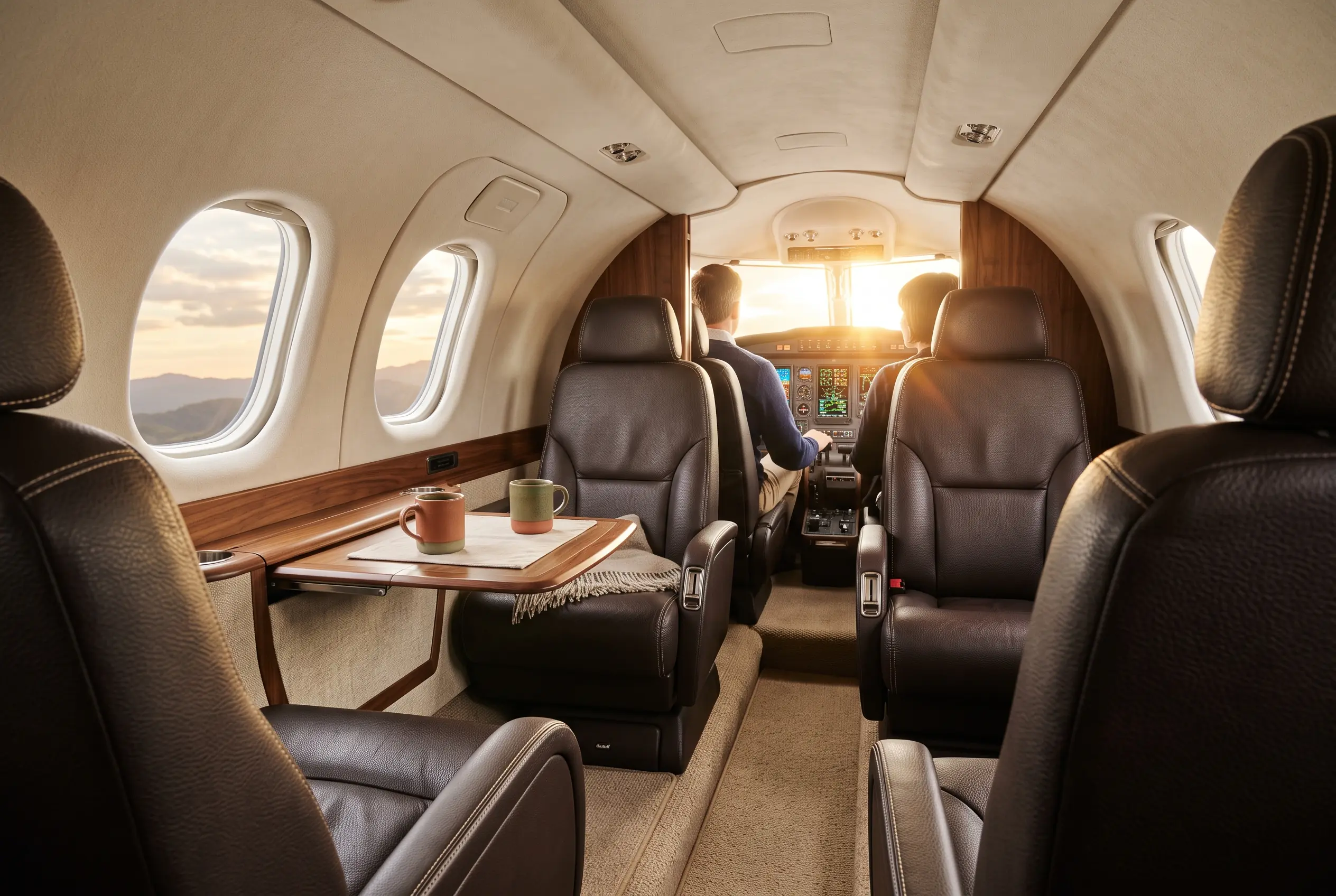
The cabin is a four-seat club finished like a good grand tourer — stitched leather, metal vents, genuinely useful tables — and honest in its dimensions: 4 ft 0 in tall and 3 ft 11 in wide, a space you inhabit seated. Daher's trick is making that feel deliberate rather than tight; the seats are excellent and the window line low enough that the Atlantic coast does the entertaining. Behind, 35 cu ft takes four soft bags and garment carriers — more than the Epic, less than a King Air.
Choose it when the party is small and the day is dense: a principal plus two aides making a 1 p.m. Midtown meeting off a morning departure; a couple bound for the Island with Republic Airport (FRG) a short hop from the driveway; a solo flyer who simply refuses to spend $15,000 on a light jet for a seat and a half of need. When the headcount grows past four, the TBM stops being clever — that is King Air territory, and we will say so.
- About 3 hours nonstop at a genuine 330-knot cruise
- From $7,500 one-way — thousands under any light jet
- Digitally managed PT6E turbine flown with single-lever simplicity
- Four grand-touring seats and 35 cu ft for soft luggage

How the TBM books
TBMs are plentiful in the Southeast — the type is a favorite of owner-pilots and small charter fleets alike — but the 960 specifically is the newest of the line, so we quote sister ships honestly when it is spoken for: a TBM 940 or 930 delivers within a few knots and a near-identical cabin, frequently a thousand dollars kinder. Every option we present flies under FAA Part 135; tell us if you want the 960's specific cabin and we will hold out for one.
Two scheduling notes. Mornings out of South Florida beat afternoons in summer — an early start usually gets you north before the thunderstorms build, which keeps the three-hour block time realistic. And if your return is flexible, tell us: this class repositions constantly along the Eastern Seaboard, and pairing your dates with the fleet's movements is the least painful discount in private aviation.
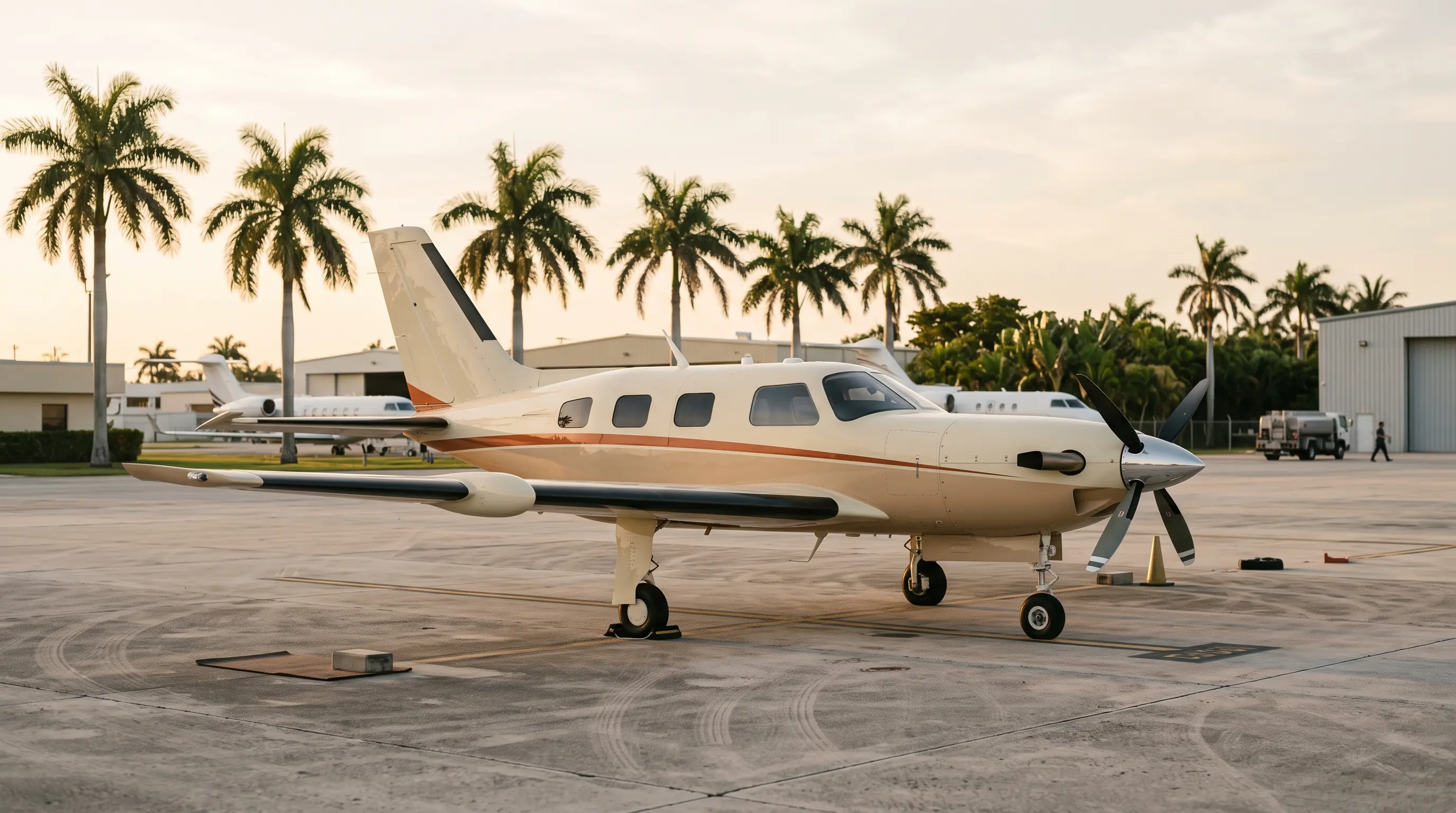
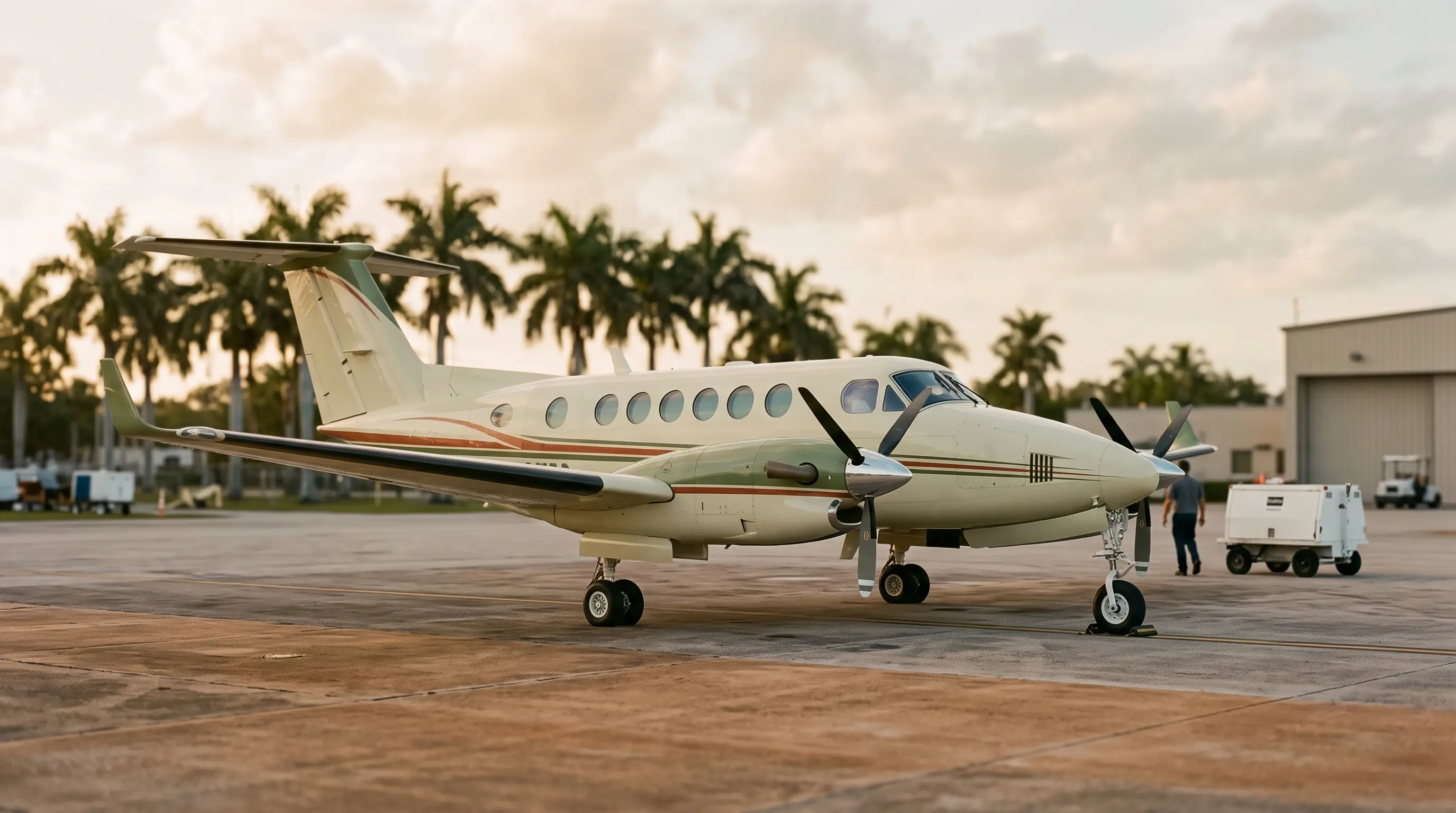
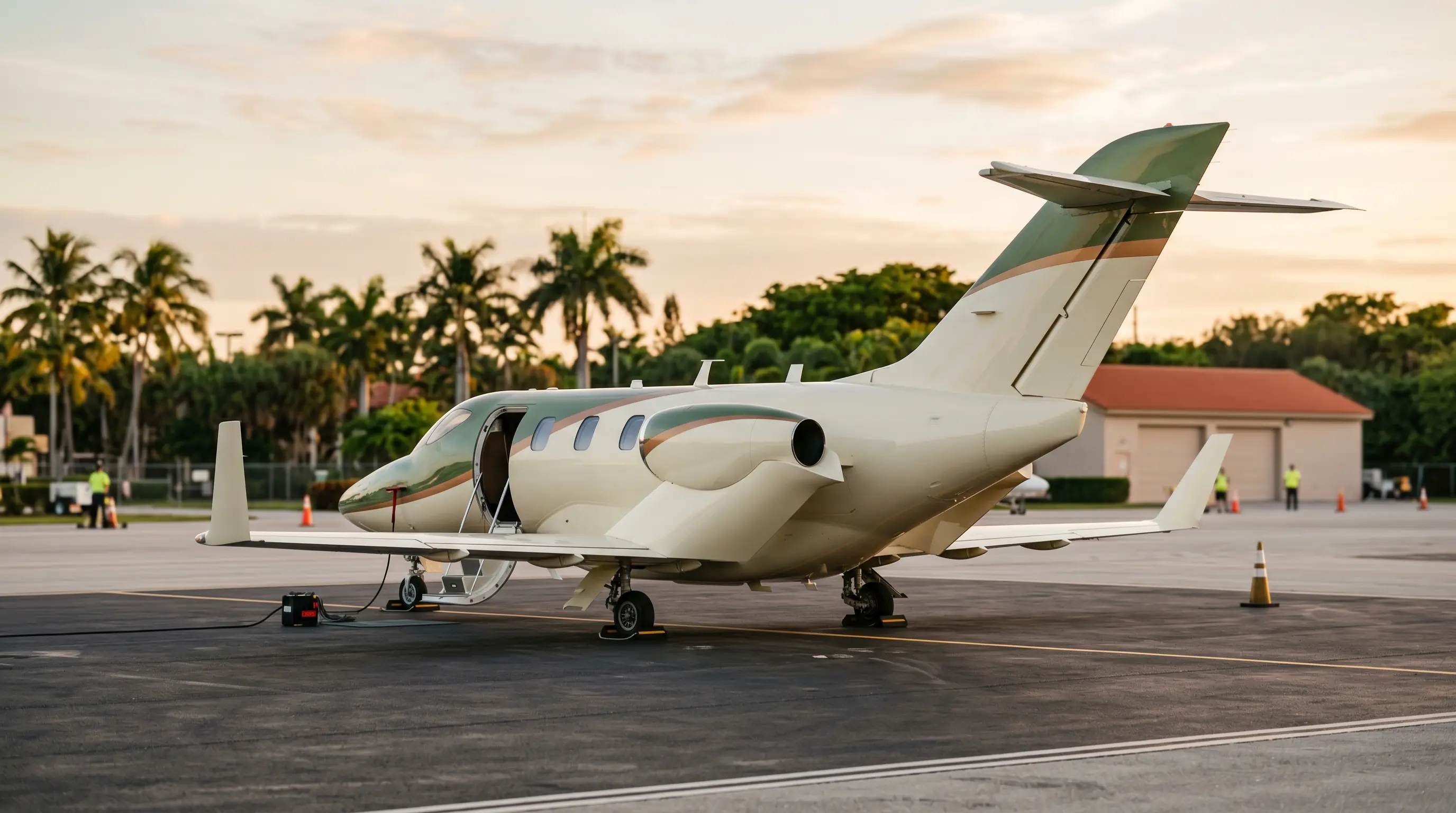
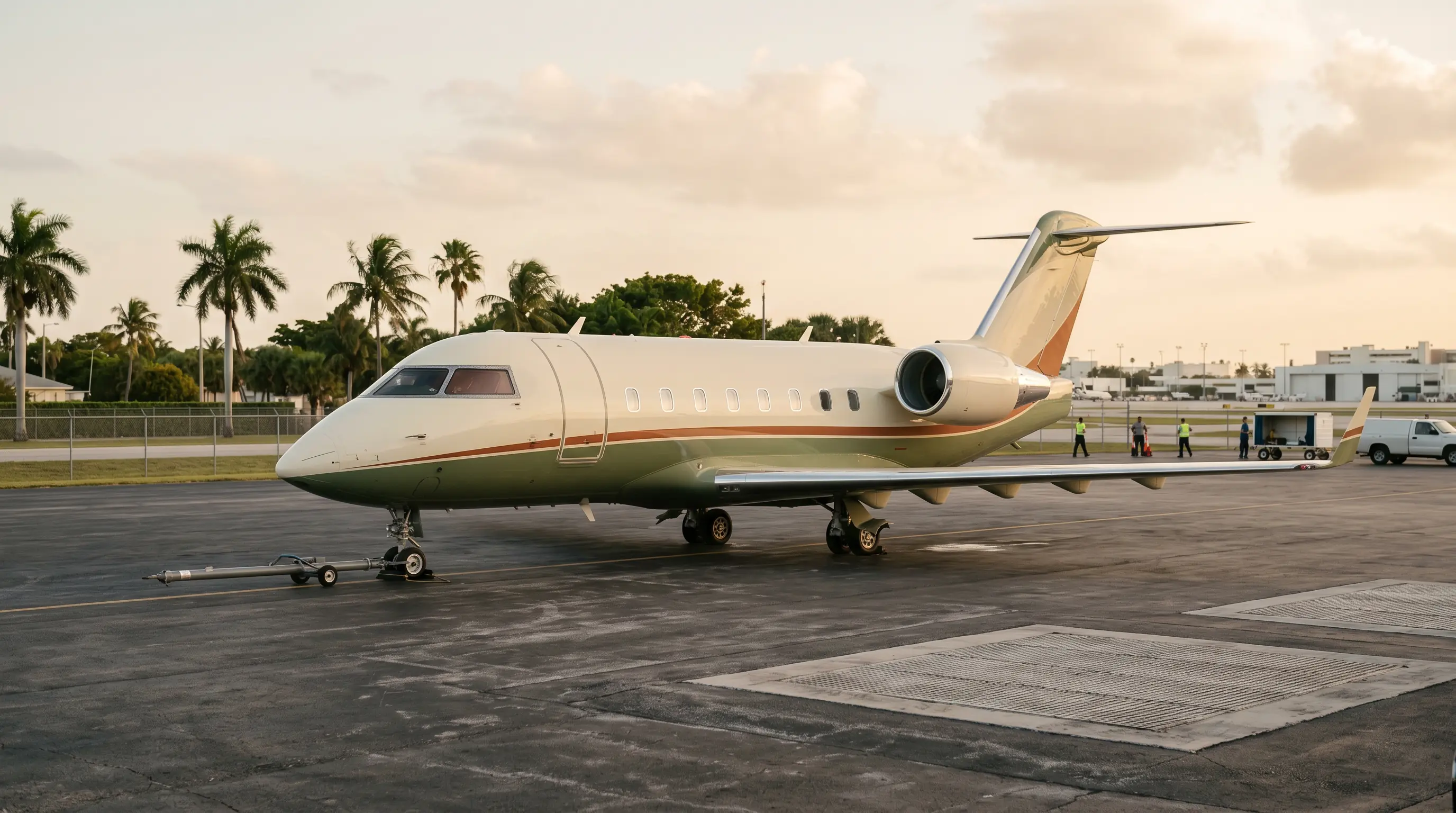
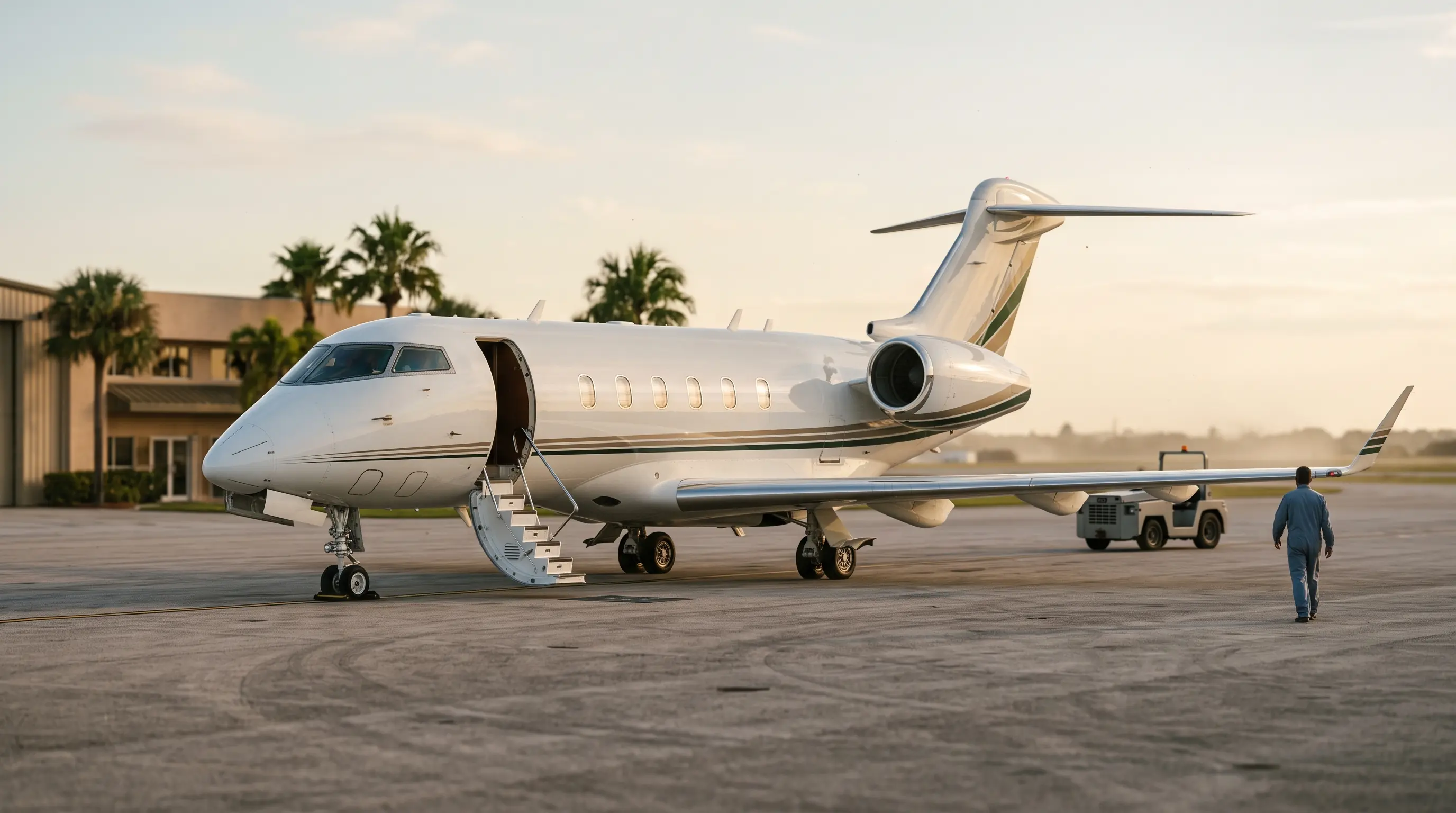
The TBM 960, inside and out
Charter services for the Miami–New York route
Frequently asked questions
Really three hours, Miami to Teterboro?
Yes — plan on right around three hours wheels to wheels, give or take ten to fifteen minutes for winds. The TBM 960 cruises at up to 330 knots, and the 1,000 nm to New York sits well inside its 1,730 nm range, so the timing holds with full seats and bags.
What is the price compared with a light jet?
The TBM 960 runs $7,500–$10,500 one-way, estimated; the cheapest light jets between Miami and New York start near $15,000. You give up roughly twenty to thirty minutes and a lavatory, and keep five to seven thousand dollars. For one to three passengers, that trade-off is the whole reason this page exists.
How many people and bags fit?
Four passengers is the comfortable configuration, five the maximum. Luggage is 35 cu ft — four soft duffels plus garment bags and briefcases — with skis possible diagonally on some layouts. Golf clubs for four is pushing it; tell us the packing list and we will confirm or suggest a King Air.
Is a TBM as safe as a twin for this trip?
It flies under the same FAA Part 135 charter rules with type-experienced crews, and the 960's digital engine management, envelope protection, and available emergency autoland add layers older twins never had. Routing follows the coast with airports in easy reach throughout. Preference between one engine and two remains yours to make.
Which New York airports work best for the TBM 960?
All of them. Teterboro for Manhattan, Westchester County for Connecticut and the northern suburbs, Republic for Long Island, Morristown for New Jersey — the TBM's runway needs are modest enough that the choice is purely about your drive. Most clients take Teterboro for the shortest drive into Midtown.
Ready to fly Miami to New York?
Send your dates and party size for estimated pricing across suitable aircraft — typically within two hours, with no obligation.
 +1 (786) 828-5664
  +1 (786) 828-5664
